


Tarsier Studios has never shied away from the strange, andhttps://pixelreel.org/tarsier-studios-talks-little-nightmares-successor-reanimal-and-the-future Reanimal pushes that fascination into raw, instinctive territory. Rather than returning to familiar shadows, the team is exploring a world shaped by feral tension, fragile trust, and the uneasy bond between two siblings trying to survive the unknown. PixelReel’s conversation with the development team, ahead of its release on 13th February via new partner THQ Nordic, reveals the ideas, fears, and creative impulses driving this new direction — and why Reanimal represents a bold shift for the studio.
Adam Riley, Director at PixelReel: It’s great to reconnect after TGS – it was great to meet you both, and the demo was gripping, plus those socks and t-shirt are fantastic! Many people have been asking where they can buy them! Who came up with the designs, how do they reflect the studio’s personality, and will more be coming in the future?
Andreas Johnsson, Co-Founder of Tarsier Studios: The artwork on the t-shirts comes from one of our concept artists and of course it’s nice to hear that they’ve had a positive reception, Who knows if we’ll do more, I guess if they’re popular we should think about it!

Adam Riley: Seeing players interact with Reanimal at TGS must have been great to see. What surprised you most about the reactions?
Andreas Johnsson: Well, it’s always a lovely surprise to find out how popular our games have been in Japan, so to see people in TGS recognising our studio’s identity in this brand new IP has been truly humbling.
Adam Riley: The background noise, the reflection of the lighting, and even the height of the game stations was not ideal, unfortunately, especially for a game that leans so heavily on its gripping atmosphere. Do you have any concerns about aspects like this affecting people’s perceptions, particularly when trying to launch a brand-new IP?
Andreas Johnsson: Not at all, it’s something that everyone deals with to one extent or another at these kinds of events. Our big presence at TGS was last year, when we had one of the best booths we ever could have dreamed of. This year was something of a bonus for us, and when we had the opportunity to return to Tokyo and be part of Happinet’s offering, of course we jumped at the chance.
Adam Riley: Some are referring to Reanimal as a ‘communal horror’ experience. Is this something you would agree with? Is that something you were specifically aiming for with the co-op mode compared to the solo play?
Andreas Johnsson: Not heard that one before, but it sounds like a cool thing! We’ve made sure to include every mode of play so people can play the game the way they like best, but we’ve never hidden the fact that couch co-op is where this game is at its best. We always liken it to that feeling of watching a horror movie with someone else, you get a different energy than when playing solo. Back when going to the cinema was a fun, communal experience instead of the irritating chat-fest that it is now, there was no feeling that compared to it.
Adam Riley: If Reanimal is akin to a ‘horror with hope’ title, how do you balance grotesque tension with emotional resilience?
Andreas Johnsson: Our kids are always mysterious and capable so the resilience comes from that really. We don’t provide for them being weak, squealy little things; whatever hell we’re putting them through, these kids quietly get on with living through it.

Adam Riley: The shared camera is a bold choice. How did that evolve, and what does it unlock creatively?
Andreas Johnsson: We knew from very early on that we wanted a shared screen, but also knew the trade-off in terms of what gameplay it provided for. The idea of being ‘scared together’ was just too important to go the split-screen route. This is a game about the friendship of a group of orphans, not a series of individuals, and we wanted players to know how important they are to each other.

Adam Riley: With Little Nightmares III handed to Supermassive, how did that shift your mindset when building a new IP under THQ Nordic to ensure people not in the know don’t just think you are copying them?
Andreas Johnsson: That’s not really anything we thought about. We’re a studio that wants to keep evolving, rather than live off past glories, so our mind was fully on what we could do in that respect. What kind of world excited us this time round? What characters belong there? What informs the monsters that we encounter? What kind of story can we tell with all of these new elements? It’s definitely gone to a darker place with REANIMAL but who knows what will get us excited next? Hopefully, people will start to recognise our identity as a studio and the kind of games we like to make.
Adam Riley: The monsters are tied to the siblings’ past, is that right? How do you approach trauma as a design language?
Andreas Johnsson: Yes, but it doesn’t always work the way one would think. Ideas should be connected by the loosest of threads or they risk being too literal and uninteresting. A monster design can come first but still resonate with the story because of the potential in its design.
Adam Riley: Those sacks of skin that seem harmless, but then suddenly start sliding down and slithering after you are extremely creepy. Where do you get ideas for such shocking aspects?
Andreas Johnsson: Sometimes it’s as straightforward as liking the visuals and that kind of behaviour and thinking ‘this is something I’d like to see in a game’. Sketches for those monsters came pretty early and caught everyone’s attention almost immediately. That’s always a good sign.
Adam Riley: How do you design puzzles and stealth sequences to feel intuitive in both solo and co-op modes?
Andreas Johnsson: Main thing in solo mode is to get the balance right on the AI companion’s behaviour; too active and you feel like you’re being led through the game like a rollercoaster, but too passive and it becomes an irritating deadweight. Pitching the difficulty right has probably been most key as far as the co-op mode goes, so that there is challenge but not to the point of frustration. Still, with co-op you just don’t know for sure until people get their hands on it. Some stuff we thought was verging on too easy became a lot trickier when two brains take it on!
Adam Riley: Those sacks of skin that seem harmless, but then suddenly start sliding down and slithering after you are extremely creepy. Where do you get ideas for such shocking aspects?
Andreas Johnsson: Sometimes it’s as straightforward as liking the visuals and that kind of behaviour and thinking ‘this is something I’d like to see in a game’. Sketches for those monsters came pretty early and caught everyone’s attention almost immediately. That’s always a good sign.
Adam Riley: How do you design puzzles and stealth sequences to feel intuitive in both solo and co-op modes?
Andreas Johnsson: Main thing in solo mode is to get the balance right on the AI companion’s behaviour; too active and you feel like you’re being led through the game like a rollercoaster, but too passive and it becomes an irritating deadweight. Pitching the difficulty right has probably been most key as far as the co-op mode goes, so that there is challenge but not to the point of frustration. Still, with co-op you just don’t know for sure until people get their hands on it. Some stuff we thought was verging on too easy became a lot trickier when two brains take it on!

Adam Riley: Tarsier’s known for its tight-knit team. How do you foster creativity and protect your studio’s DNA as you grow?
Andreas Johnsson: We’re lucky that many of the founders are still here, which means we never lose sight of why the studio was created in the first place, and that was to create new worlds that we get inspired by. So far, that has helped us stay passionate and creative during the dev cycle, which is no small feat.
Adam Riley: What’s the process like when a new idea bubbles up? Does it come from everywhere, or is there a strong central vision, and do you think we’ll see several Reanimal sequels, or do you want to keep things fresh with completely new titles?
Andreas Johnsson: Ideas can and do come from everywhere, and they are all given equal care and attention when considering them for the game. However, you can’t have everyone deciding what goes into the game, it’d just be chaos. As far as sequels go, we haven’t even released the first one yet, so let’s see how that goes. We always create a world for our games to exist in, so sequels and other media are always possible, but whether we do that is not something we’re discussing yet.
Adam Riley: What do you hope players will feel after finishing Reanimal, and will there be additional content/endings to encourage gamers to replay the adventure?
Andreas Johnsson: We hope players will feel that we cared about the game they just completed. You only have so many games in you, so we try to make each one matter. There will be additional stuff hidden away for the rabid collectors and let’s see what rewards they lead to! Hopefully, people will want to go back and replay once they see how the game ends, and try to piece everything together.

Adam Riley: Are there any risks you’ve taken with this project that you’re especially proud of?
Andreas Johnsson: Back in the beginning, making a co-op horror game on a single shared screen felt like a very risky move, but as time has gone on, we’ve felt more and more like this was one of the key decisions we made that set the tone for the game. Now, having seen people actually playing it outside the studio, we’re thrilled that we took that risk.
Adam Riley: If Nintendo gave you carte blanche when it came to working on one of its IP, which series would you choose and why?
Andreas Johnsson: Parachute from the Game & Watch days. There are so many unanswered questions with that game and the world surrounding it that would be amazing to dig into.

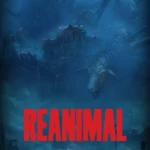
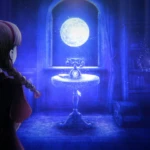
[…] Tarsier Studios returning to horror with a new IP was always going to draw comparisons, but REANIMAL wastes no time stepping out of Little Nightmares’ shadow. This is a broader, stranger, more confident work, proving to be a game that understands how to guide you through danger without ever making you feel like being funnelled. The island the siblings wash up on is open enough to invite careful exploration, yet shaped with such deliberate intent that you’re never left wandering aimlessly. It’s a rare balance, and one that defines the entire experience from the moment that boat drifts toward the shoreline. […]