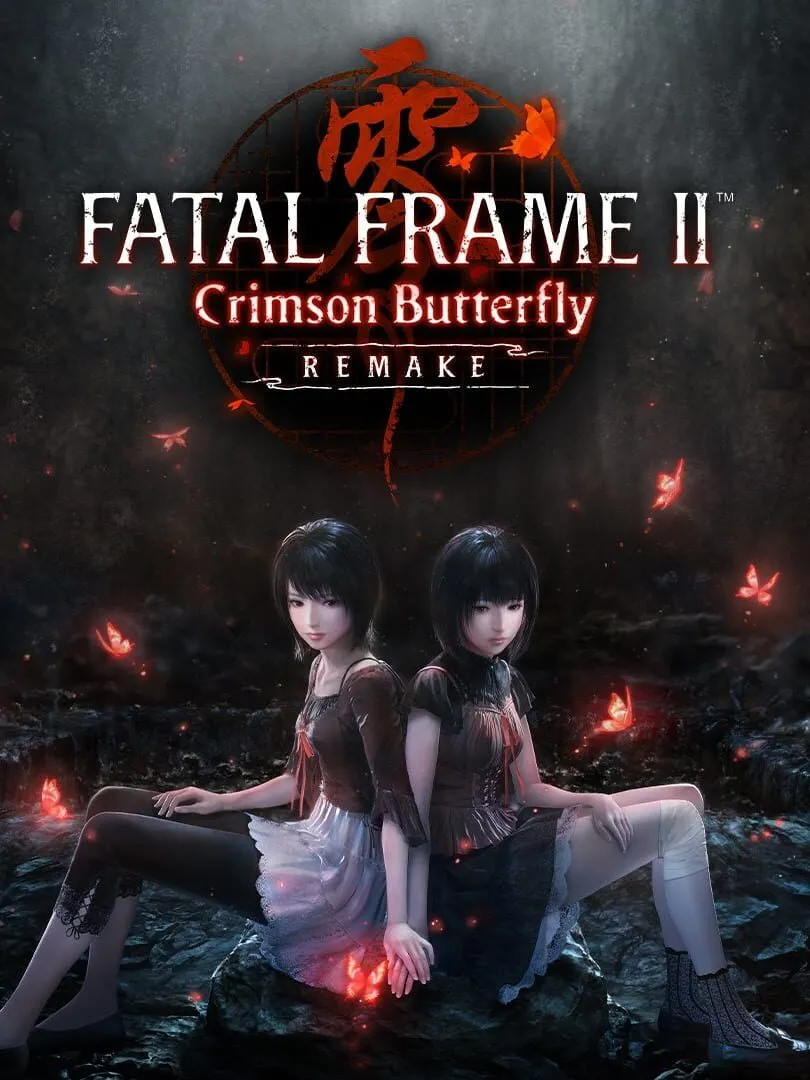
The Fatal Frame series has always occupied a curious space in the horror landscape, sitting somewhere between the psychological unease of early Silent Hill and the folkloric dread of Japanese ghost stories, yet never quite receiving the widespread recognition it deserved. Its remakes have been equally inconsistent, sometimes enhancing the original vision, sometimes merely preserving it. With Fatal Frame II: Crimson Butterfly Remake, however, Koei Tecmo has handed the reins to Team Ninja, a studio better known for its razor‑sharp action titles than slow‑burn psychological horror, yet one that approaches the material with surprising sensitivity. The result is a fascinating blend of reverence and reinvention. This is not a simple visual upgrade or mechanical tidy‑up; it is a thoughtful reconstruction of a classic that understands precisely why the original worked, while also recognising where modern sensibilities can elevate the experience without diluting its identity. Team Ninja has clearly studied the series’ foundations in meticulous detail, and its respect for the material is evident in every shadow‑soaked corridor and every carefully re‑staged moment of dread.
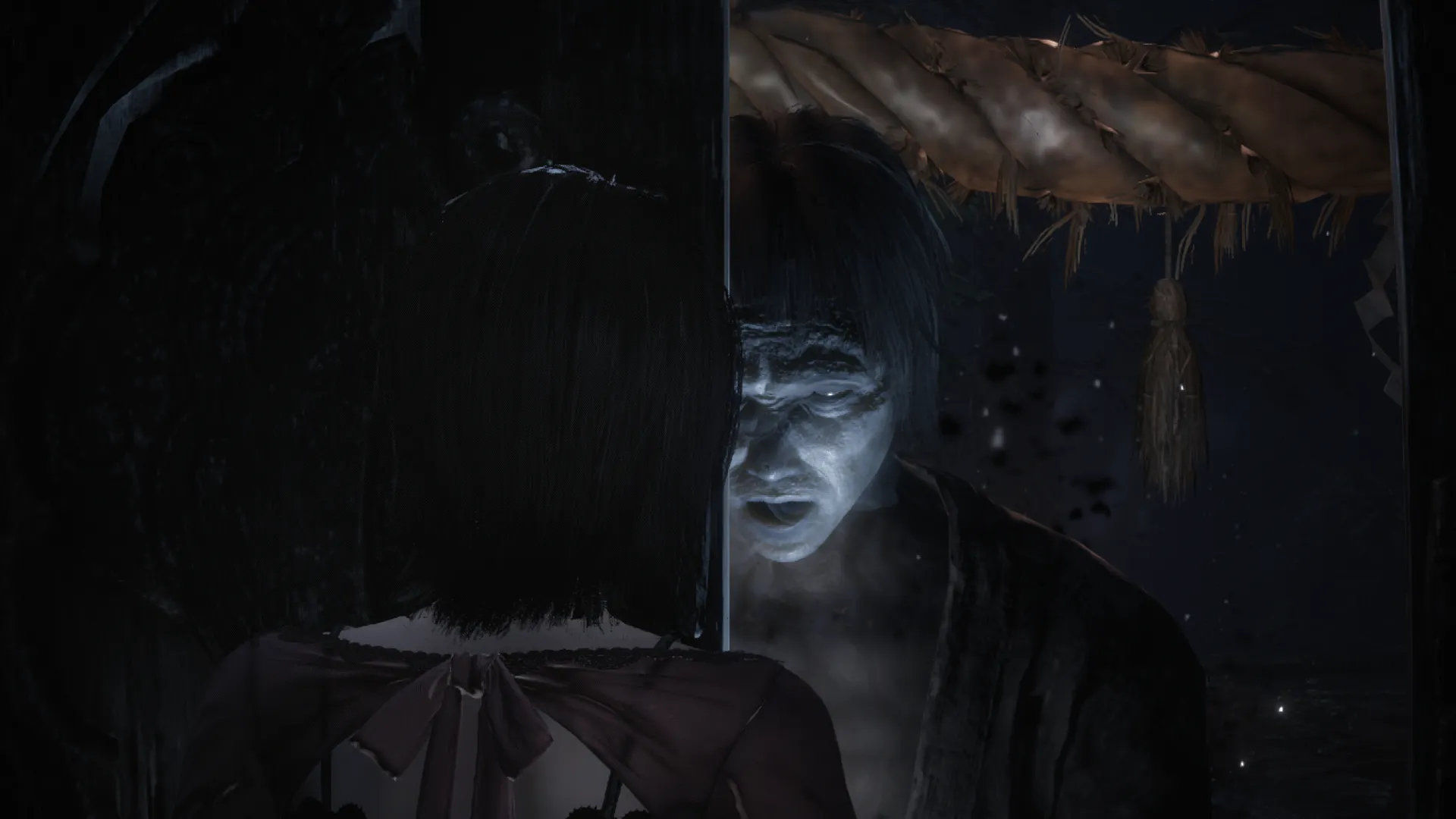
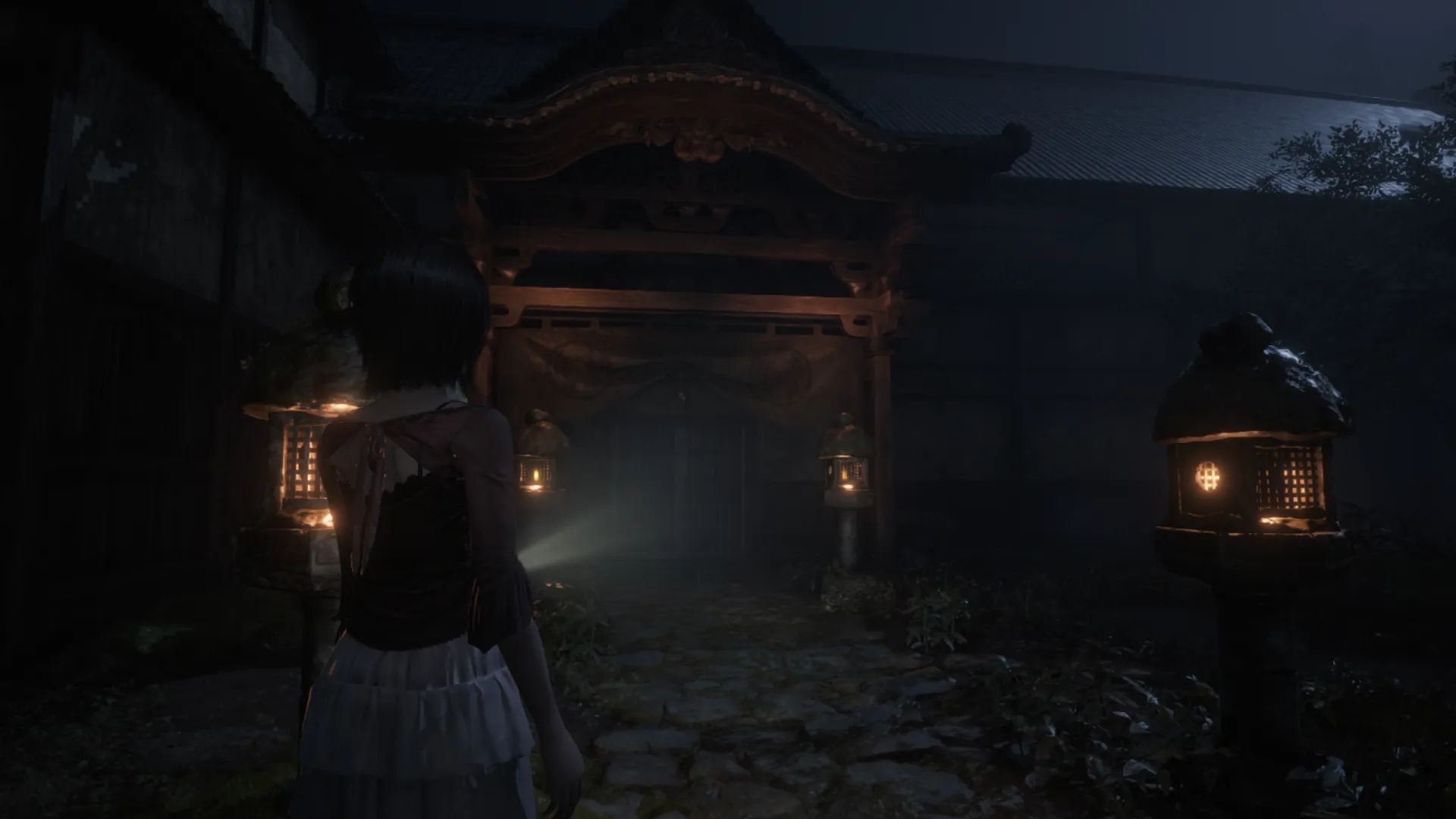
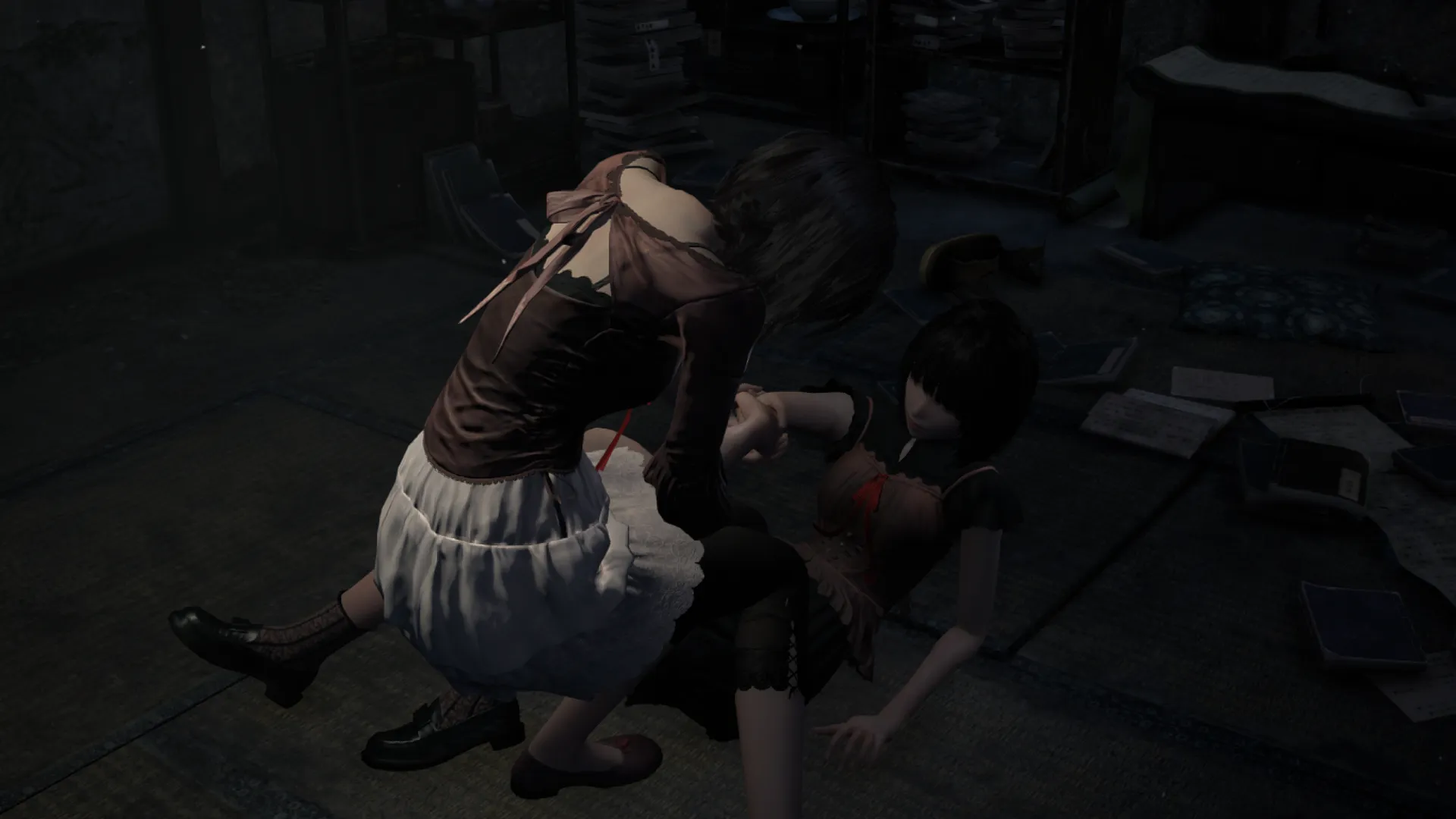
Returning to the lost village at the heart of Crimson Butterfly remains as unnerving as ever, and the Switch 2 hardware allows the oppressive atmosphere to breathe in ways that were previously impossible. The sense of isolation is palpable from the moment Mio and Mayu step into the fog‑shrouded settlement, with every creaking floorboard, distant whisper, and flicker of candlelight contributing to a world that feels alive in its decay. The new team has taken great care to preserve the slow, deliberate pacing that defined the original, resisting any temptation to modernise the flow into something more action‑oriented. Instead, the focus remains firmly on tension, anticipation, and the quiet dread that comes from knowing danger is near but not yet visible.
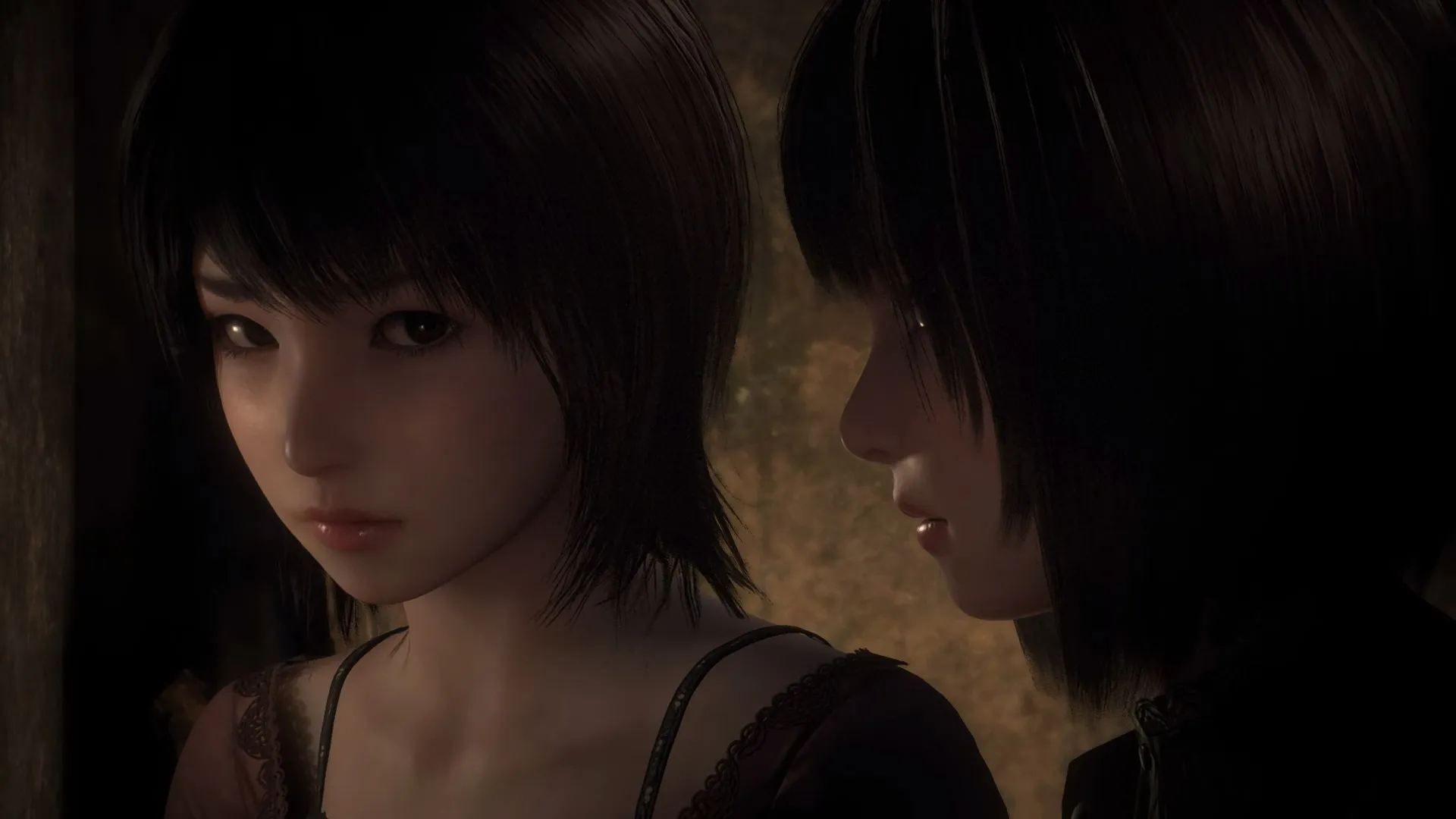
The relationship between the sisters has always been the emotional anchor of the story, and this remake places even greater emphasis on their bond. Subtle animation work, improved facial expressions, and more nuanced voice performances give their interactions a depth that was only hinted at before. The narrative remains largely faithful, yet the enhanced presentation allows the tragedy at the heart of the tale to resonate more strongly. This is a story about memory, guilt, and the weight of responsibility, and the remake’s careful attention to character detail ensures that these themes land with greater impact than ever.
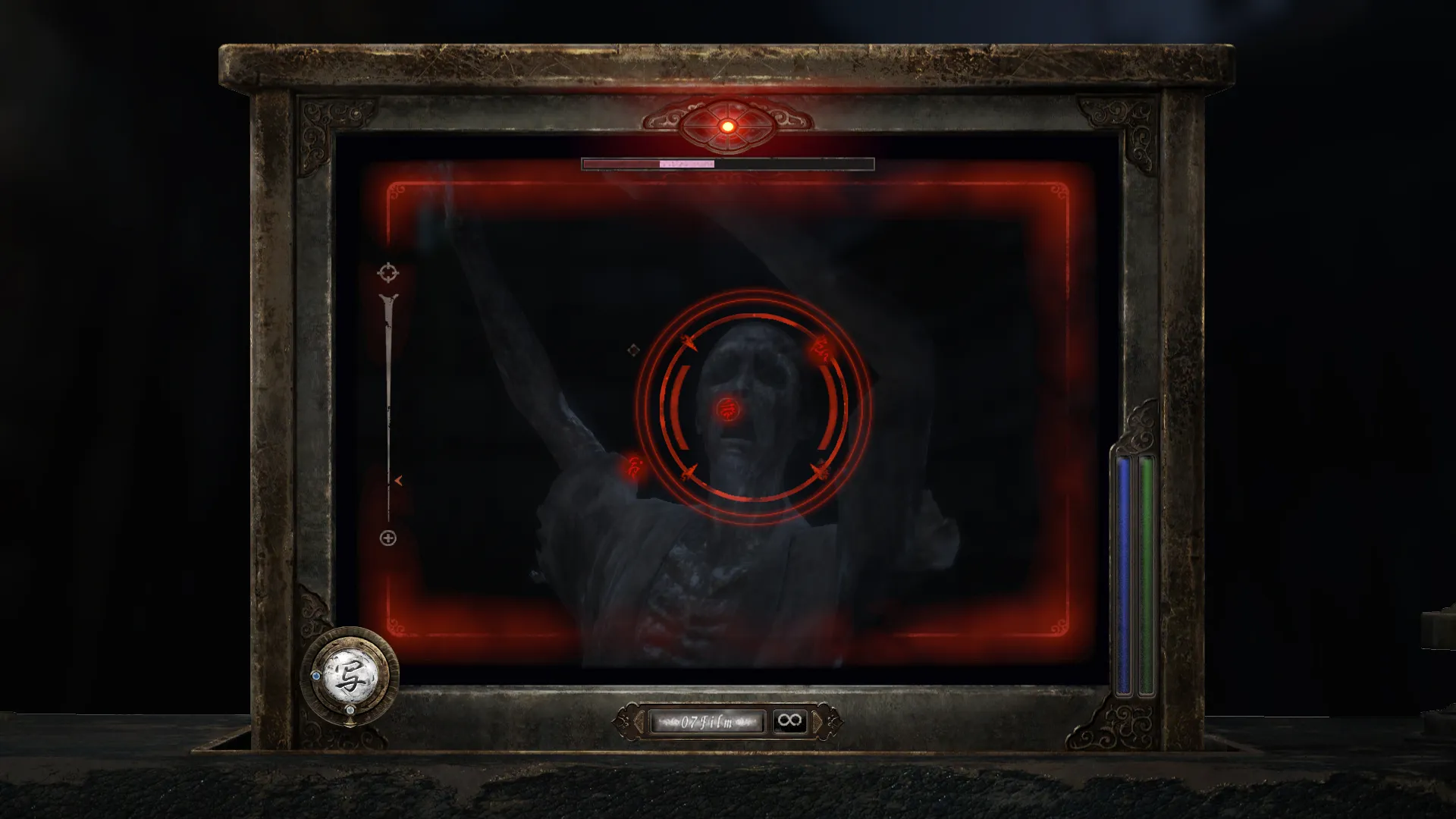
Mechanically, the Camera Obscura is where the remake shines brightest, although it may not seem that way at first. Newcomers, or even returning players who have grown accustomed to more immediate combat systems, may initially find the controls slow and the encounters surprisingly punishing. The deliberate pace of raising the camera, lining up a shot, waiting for the right moment, and managing limited resources can feel daunting in the early hours. Some wraiths cannot even be dissipated at first, forcing players to flee or hide until the story allows for a proper confrontation. However, this is precisely where Fatal Frame II (formerly Project Zero II in Europe)’s brilliance lies. The Camera Obscura is not a weapon in the traditional sense; it is a puzzle device, a tool that rewards patience, observation, and a willingness to learn the rhythms of the supernatural. Once the timing clicks and the logic behind spirit behaviour becomes clear, the system reveals itself to be remarkably deep.
The remake expands this further with a more flexible upgrade system, allowing players to tailor the camera’s capabilities to their preferred style. Enhancing functions such as range, sensitivity, charge speed, and special shot types adds a welcome layer of strategy, encouraging experimentation and long‑term planning. The different film types return, as well, each with their own strengths and limitations, and choosing when to deploy rarer, more powerful stock becomes a satisfying tactical decision. Battles become even more dynamic thanks to a new irritation mechanic, where ghosts that are not dispatched quickly enough grow increasingly aggressive, glowing red as their attacks intensify and their energy regenerates. These moments add a sharp spike of tension, forcing players to adapt quickly or risk being overwhelmed.
The Camera Obscura’s various filters also play a more prominent role this time, with certain lenses revealing hidden memories from the past, others exposing trails left behind by key figures, and some highlighting non‑harmful spectres that can be photographed for additional rewards. These elements enrich the investigative side of the adventure, encouraging players to think carefully about what filter to equip and when to switch between them. The remake introduces a selection of charms that can be equipped to further customise the experience, including one that gradually restores health when the sisters hold hands (when they haven’t parted company during the story, that is!), and others that enhance specific camera functions or improve the effectiveness of certain film types. These additions deepen the sense of progression without compromising the series’ deliberate pacing.
Combat and exploration are tied together through the willpower and health gauges, both of which must be carefully managed. Willpower determines how effectively Mio can withstand the psychological strain of the village’s horrors, and certain encounters drain it rapidly if players are not cautious. Items that restore willpower or health become essential lifelines, yet they are never so plentiful as to undermine the tension. The balance between scarcity and survival is handled with impressive finesse, ensuring that every resource feels valuable without tipping into frustration. Thankfully, for rookies, or those that just want to enjoy the in-depth tale at a more leisurely pace, there are difficulty settings that take some of the battle edge off…yet do not be fooled into thinking this makes the game a piece of cake, as some encounters – especially early on – will indeed have you tearing your hair out.
Exploration benefits from a more fluid camera system and improved environmental clarity, yet the developer has wisely avoided over‑lighting or over‑explaining the world. Hidden paths, subtle visual cues, and environmental storytelling remain central to the experience, and the village’s layout retains its labyrinthine charm. The remake introduces a generous selection of new collectibles and optional side missions, many of which are tucked away in obscure corners or require revisiting previously explored areas with fresh eyes. These additions encourage a more thorough investigation of the environment, rewarding players who take the time to scour every room, corridor, and shrine. Returning to earlier locations often reveals new details, optional scenes, or character‑specific tasks that enrich the lore, and the sense of discovery remains strong throughout. This approach not only adds longevity but also reinforces the feeling that the village is a place with history, secrets, and layers waiting to be uncovered.
The audio work deserves particular praise, with the soundscape doing much of the heavy lifting in maintaining the game’s oppressive mood. Whispered voices drift through the air with unsettling clarity, and the subtle shifts in ambience as players move between areas create a constant sense of unease. The soundtrack remains understated, allowing silence to play as important a role as music, and the result is a world that feels perpetually on the brink of revealing something terrible. The improved spatial audio on Switch 2 adds a new dimension to exploration, making it easier to pinpoint the direction of distant disturbances, yet also heightening the tension when sounds seem to come from everywhere at once. There will indeed be many a heart-in-mouth moment, as a result!
There are moments where the remake’s fidelity exposes the limitations of the original structure, particularly in some of the more repetitive backtracking sequences, yet these instances are softened by the improved pacing and environmental detail, plus the tension of will a ghost leap out or not with every item pick-up or door opened. Team Ninja has taken care not to disrupt the rhythm that made Crimson Butterfly so memorable, and while not every element has aged perfectly in this Fatal Frame escapade, the overall experience remains compelling and deeply atmospheric. The balance between preservation and enhancement is handled with surprising finesse, and the result is a remake that feels both faithful and revitalised.