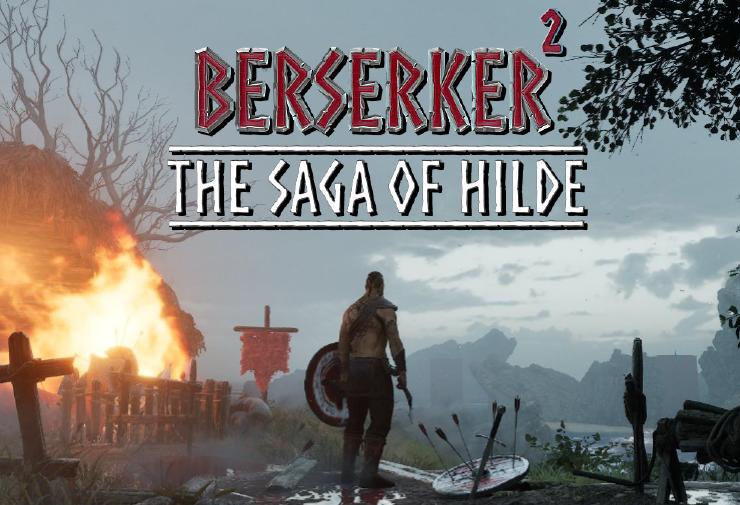
With “Berserker 2: The Saga of Hilde,” the indie studio One Life Games presents the direct sequel to its Nordic-inspired action role-playing game, which had already managed to attract a small but dedicated player base with its first installment. The title once again positions itself at the intersection of hack-and-slash gameplay, narrative-driven adventure, and an atmospheric indie RPG experience.
The central question that inevitably arises with such a sequel is this: Can the game build upon the strengths of its predecessor, refine its own voice, and at the same time develop enough individuality to stand out in a densely populated genre?
The story deliberately does not begin directly with the titular character Hilde, but with a choice. At the beginning, the player decides between two playable warriors, Asbjorn or Volva, both of whom are closely connected to Hilde and their homeland in their own way. This decision is more than a cosmetic introduction, as it influences the tone, abilities, and certain dialogue nuances during the first hours of the game. Both characters experience the same pivotal moment—the raid on their village and Hilde’s abduction—from their own respective perspectives.
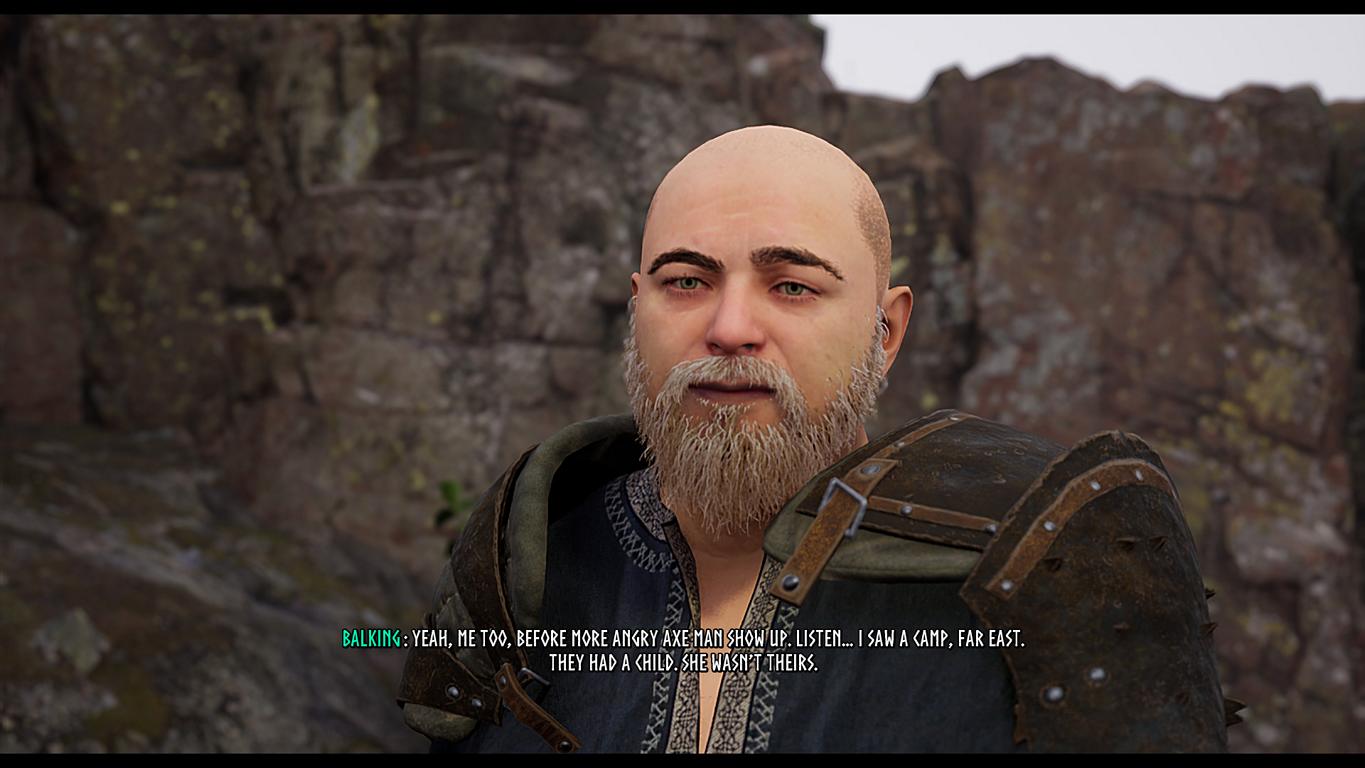
The story unfolds at a measured pace and largely avoids spectacular staging in favor of a dense, melancholic atmosphere. Supporting characters such as the taciturn blacksmith Eirik, the mysterious seer Brynja, and the morally ambiguous mercenary Halvar help make the world feel believable and lived-in. Their stories often resemble small legends that gradually come together to form a larger whole.
The game communicates much of its narrative through subtle hints, locations, and brief encounters—an approach reminiscent of classic role-playing games that carries a certain nostalgic tone.
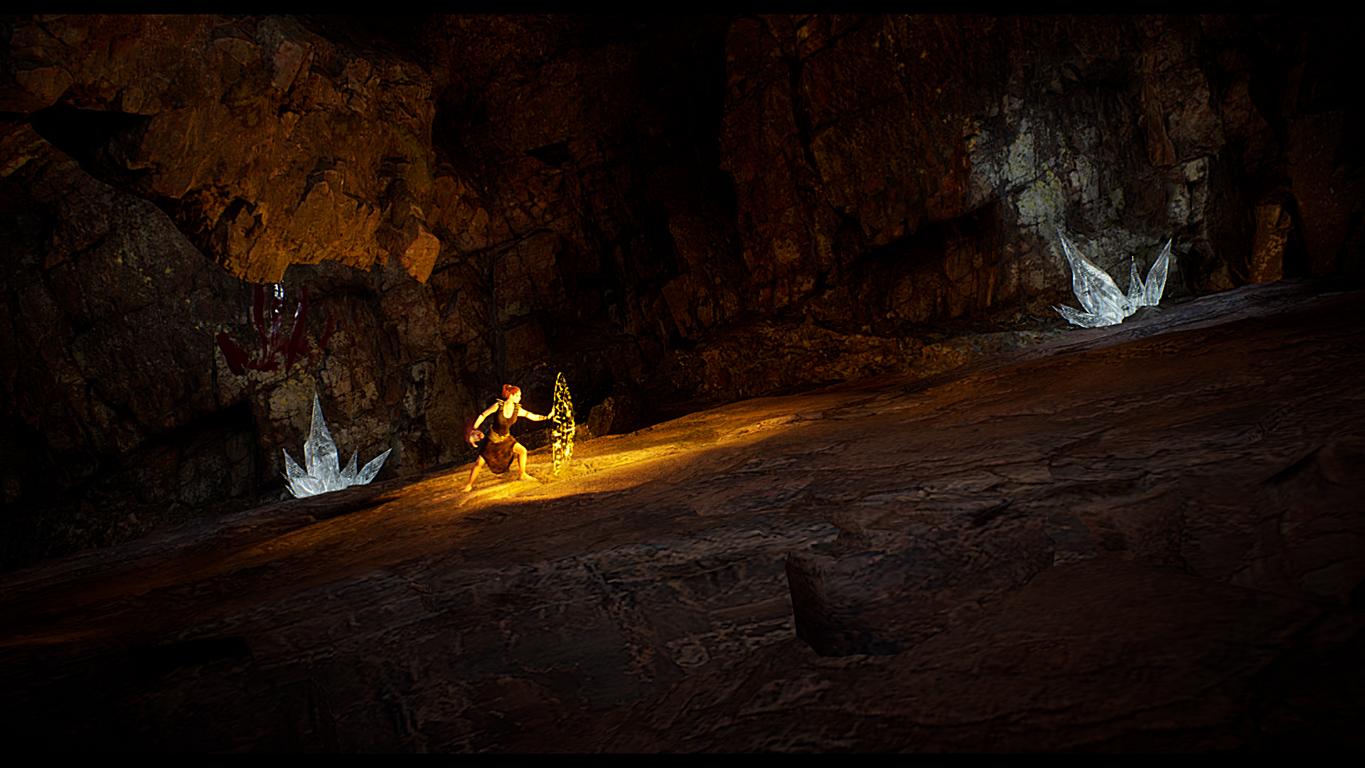
The choice between Asbjorn and Volva initially affects the combat style. While Asbjorn focuses more on raw power, heavy weapons, and direct confrontation, Volva introduces more controlled attacks, rune-based abilities, and a more tactical approach to combat.
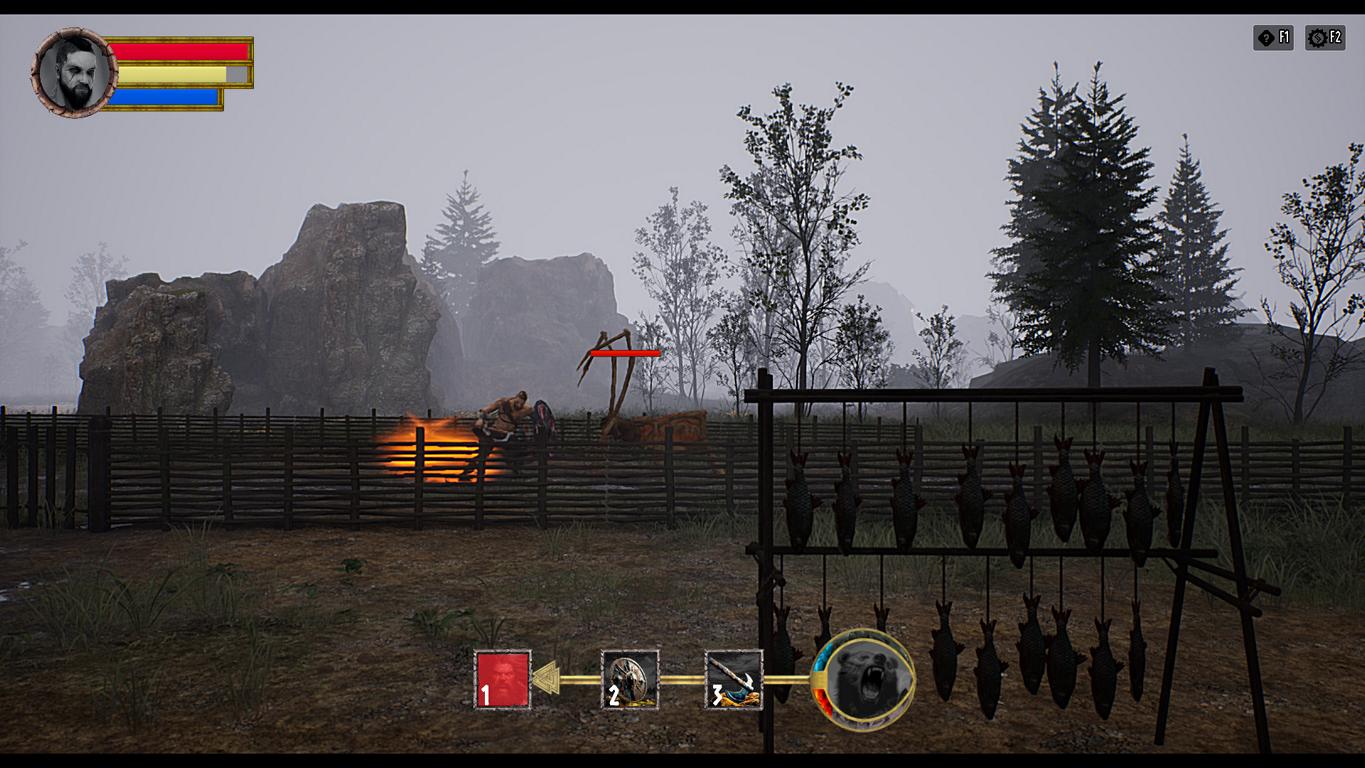
A central role is once again played by the berserk mechanic, which rewards the player for staying continuously engaged in battle but simultaneously increases the risk. This system creates a compelling balance between control and escalation. Players who become too greedy are quickly punished, while careful and thoughtful play often makes the difference between victory and defeat.
The level design relies on semi-open areas that combine main paths with optional detours. Along the way, players can discover hidden chests, optional enemies, and small side stories that expand the game’s lore.
The regions differ noticeably both visually and in gameplay, ranging from icy coastlines and forested hills to crumbling fortresses. Overall, the difficulty level feels fair but requires attention—especially in the later sections, when enemies appear in larger groups or begin to use special abilities.
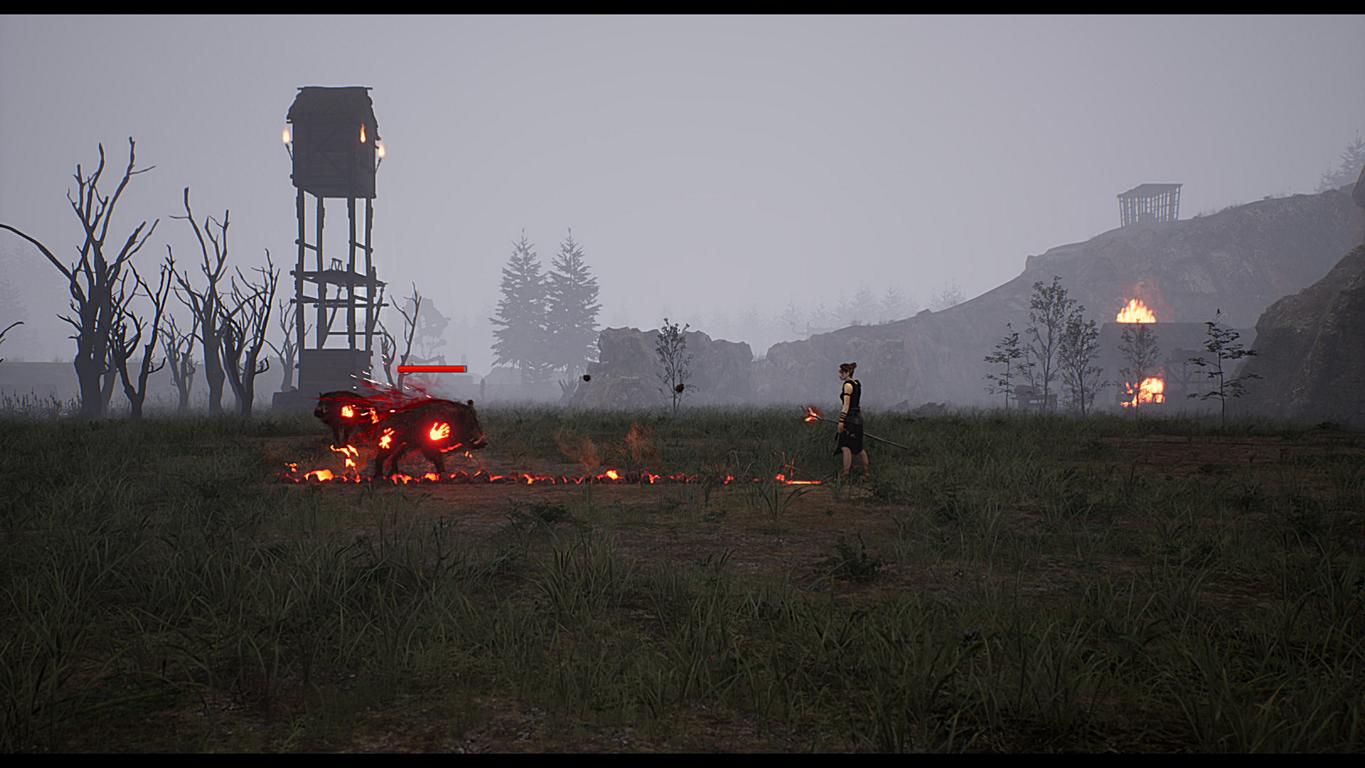
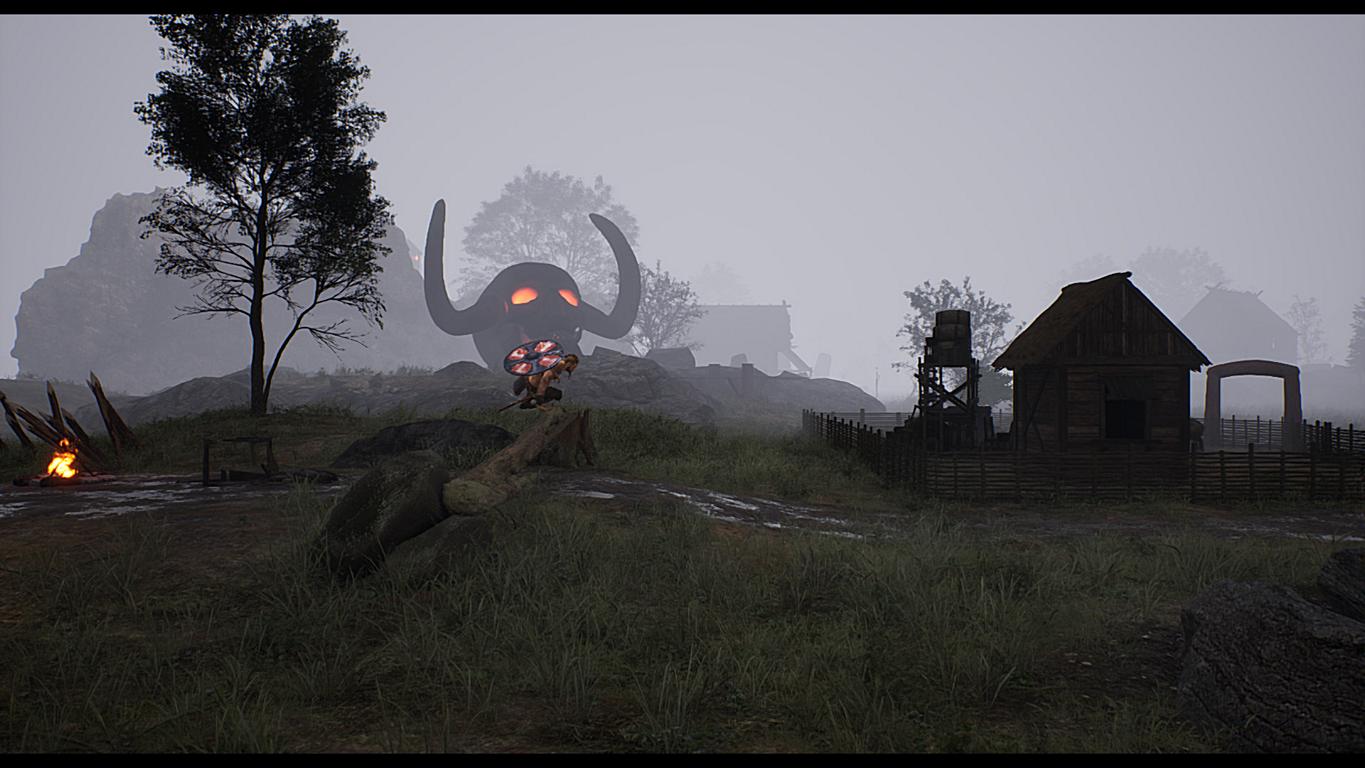
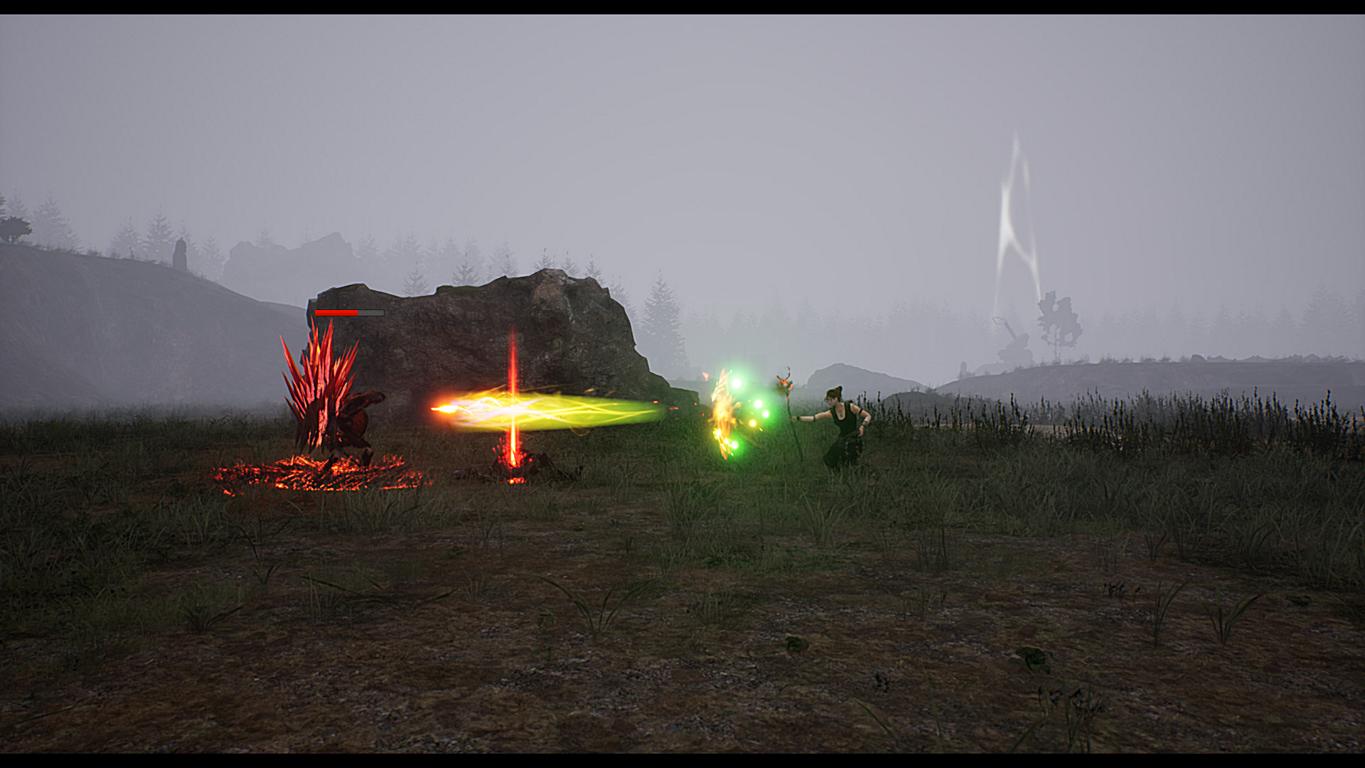
From an audiovisual perspective, the game relies less on technical brilliance and more on cohesive presentation. The graphics feature a stylized 3D aesthetic with clear contours, strong color contrasts, and atmospheric lighting. The depiction of fire, fog, and light sources in general contributes significantly to the overall atmosphere.
Although the graphical fidelity and level of detail cannot compete with modern productions—often giving off PS3-era vibes—the game still manages to create a coherent world that consistently follows its own aesthetic, allowing it to stand out from the crowd.
The soundtrack reinforces the melancholic tone with calm, Nordic-inspired compositions that dynamically adapt to the events in the game. During combat, the music becomes more intense without ever feeling intrusive.
The sound effects convey a strong sense of weight and impact, especially when using heavy weapons. The voice acting is very solid and helps make the characters feel believable, even though some minor supporting roles are a bit less distinctive.
As a sequel, the game consistently develops the ideas of its predecessor further. In particular, the introduction of the selectable starting characters Asbjorn and Volva adds more depth and variety to the narrative structure. The combat system also feels more refined, the world more diverse, and the overall presentation more polished.
Players who are familiar with the first installment will recognize many familiar elements, while still discovering enough new features and improvements to create a genuine sense of progress. At the same time, newcomers will find the game easily accessible, as the story stands on its own and does not require prior knowledge of the previous title.
The studio One Life Games continues to be one of the smaller independent developers, creating projects with a clear vision and manageable scope. Even in the first installment, the team demonstrated a strong sense of atmosphere and focused design. With the sequel, the studio now appears more experienced and confident in its execution.