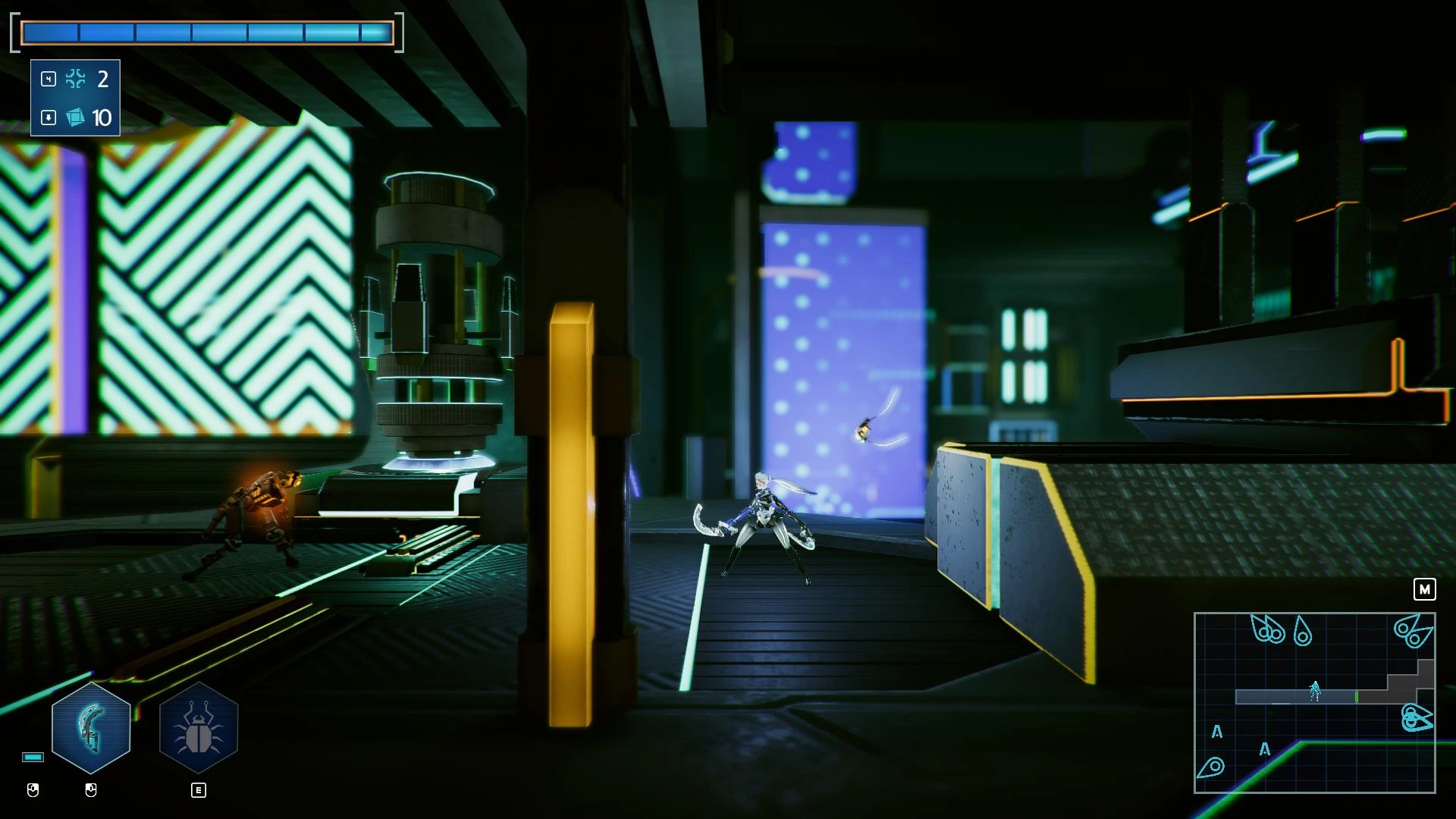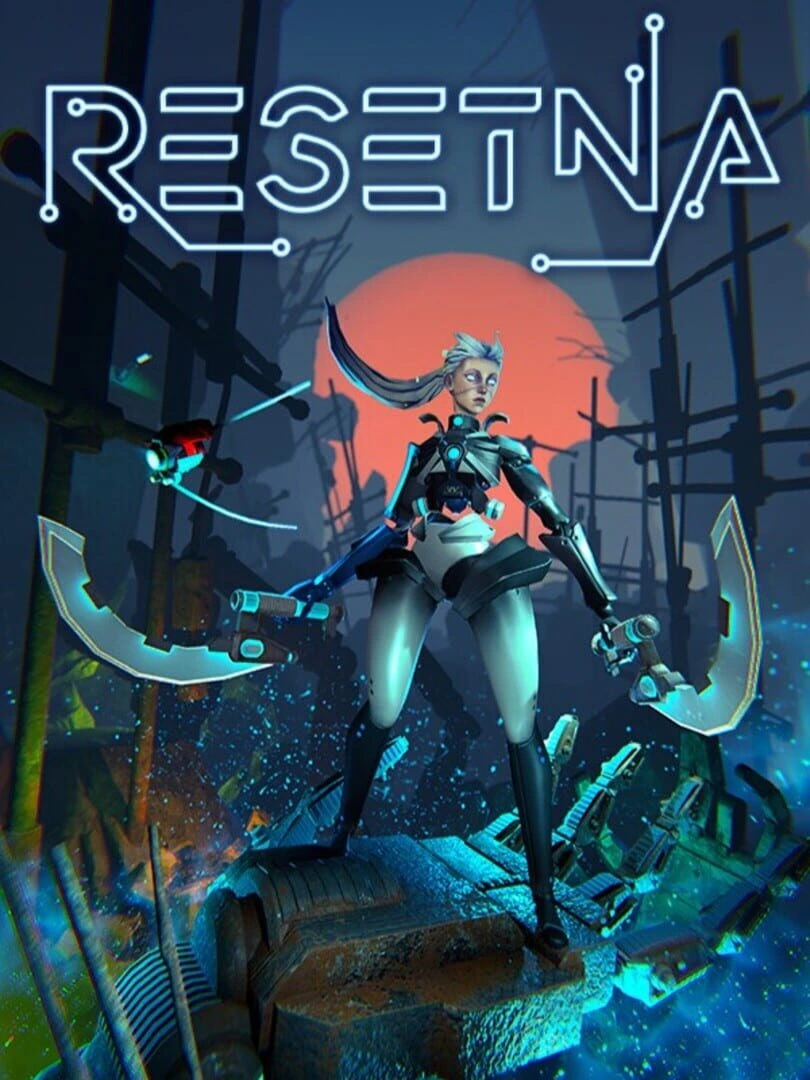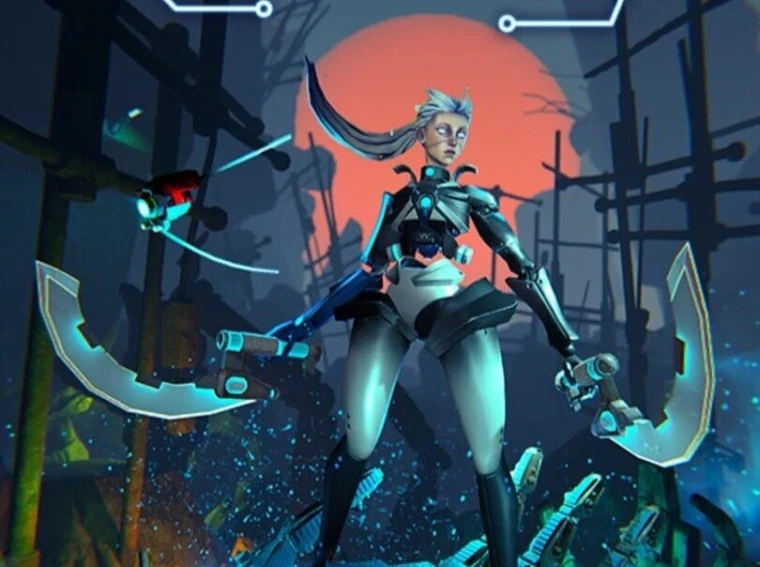
There’s a certain kind of melancholy that science fiction does better than the rest. Cold steel corridors. Dead civilisations. Machines carrying out routines long after their creators have vanished. ReSetna understands that feeling immediately. Developed by Today’s Games, this, metroidvania-style action-adventure drops the main heroine into the rusted corpse of a world where organic life is nothing more than a memory, and a mysterious entity wants to corrupt the conscious machines that are all that’s left of humanity. It’s not anything super original. It’s somewhat familiar material, but familiarity isn’t always a weakness. Sometimes atmosphere can carry a game further than originality ever could – and for a while ReSetna absolutely does. Sadly, the gameplay built around this otherwise very interesting premise is a bit of a letdown.
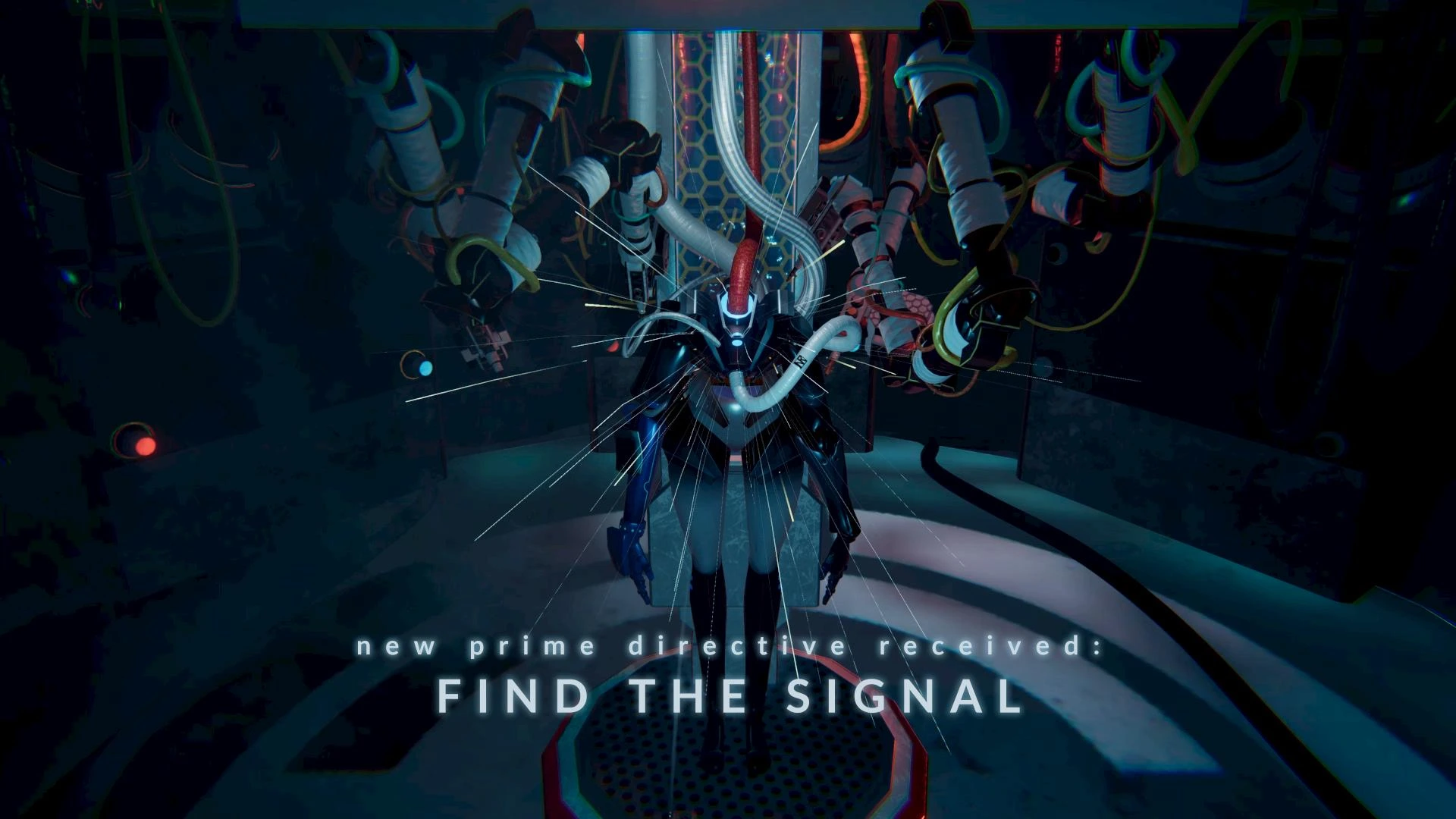
The opening, which has a great ominous feeling, like a darker episode in the Metroid universe, sees the creation/awakening of the titular combat android, who gets deployed by APEX, an all-seeing AI who wants to maintain order in a devastated civilisation already halfway to collapse. ReSetna takes place in an industrial wasteland, thinly populated by robots of all shapes and sizes, and seemingly bombarded during a long-forgotten war. Somewhere beneath the scrap metal, wires, and wreckage, a corruption known as Signal is spreading like a digital plague, twisting machines into violent husks, and ReSetna’s mission is to stop it…though that’s about the only thing that’s clear here.
Like the world itself, the player is immediately bombarded with vague, almost opaque info about the current predicament. Story beats arrive in fragments, through cryptic NPC dialogue and scattered logs, each filled with implications buried beneath mechanical jargon. Questions naturally emerge. What exactly was Signal before it became a corruption? Why did civilisation collapse? How did humans transfer their minds to machines, how did that go wrong, and how can beings of metal inherit concepts like fear, faith, or madness?
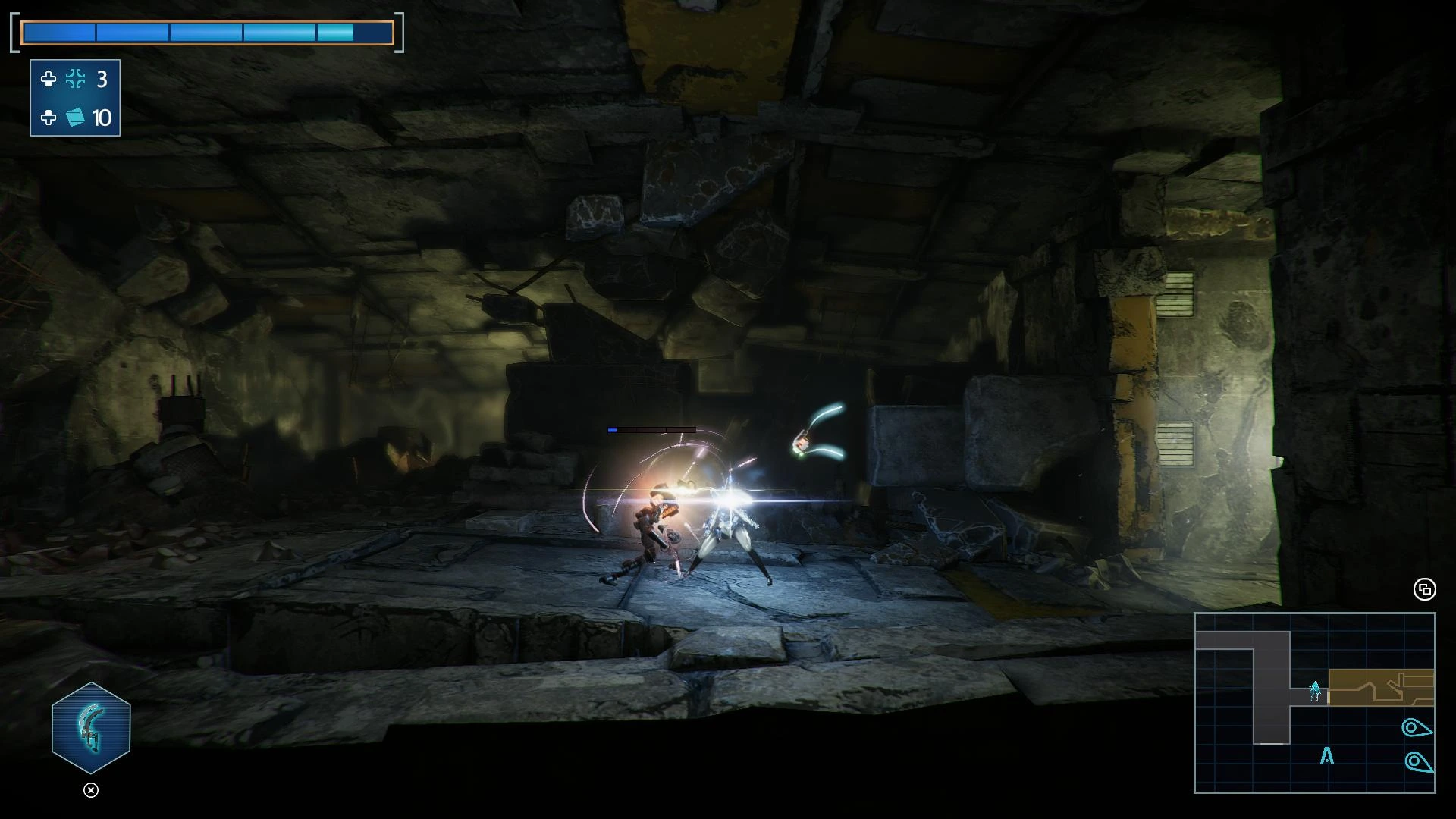
Intriguing as it all is, ReSetna rarely develops its ideas. There’s a distinct Dark Souls flavour here, filtered through a cyberpunk lens, in how this realm communicates through ruins and suggestion rather than direct exposition, but the interaction with the characters themselves is forgettable and rarely manages to make one get emotionally invested in them. That said, the setting itself is, without a doubt, the best thing on offer. Deeply atmospheric, full of mystery, and very immersive despite the obvious room for improvement. The gameplay is a much tougher sell.
This is an action-adventure, with ‘action’ mainly revolving around hack ‘n’ slashy combat, whilst the ‘adventure’ part is a basic metroidvania. Basic not as in boring – just basic. The heroine explores a fairly simple underworld that’s hard to get lost in, and with the expected obstacles that either require a key, opening the “door” from the other side, or gaining an ability like the traditional double jump or air dash, among others. Genre veterans won’t get their fix here, but there’s nothing bad to note when it comes to searching around. Fighting against other things is where the problems begin.
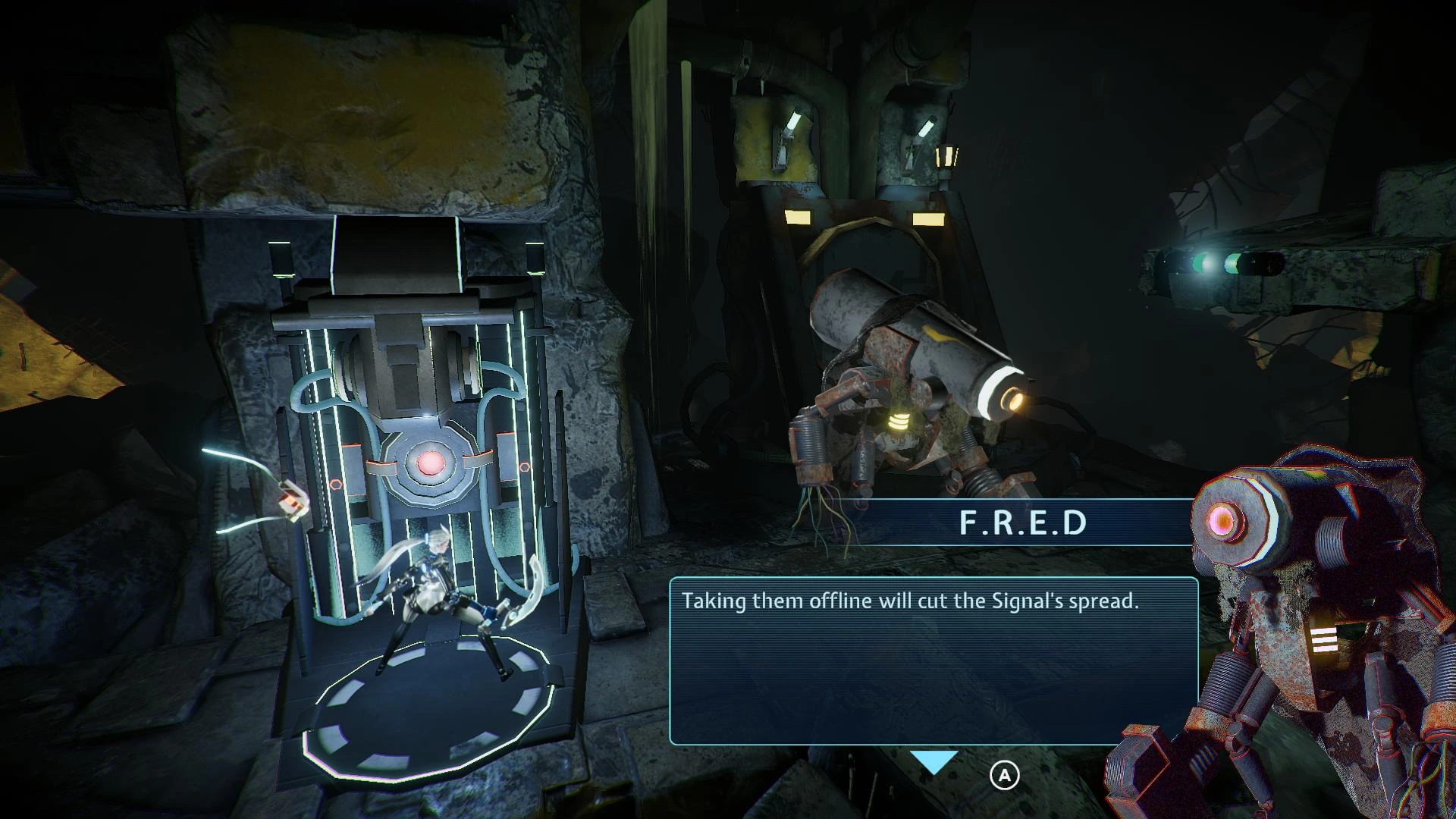
Combat focuses on aggression and precision rather than mindless button mashing and spectacle. It’s about hitting at the right moment, evading at the right moment, and, most importantly, parrying at the right moment. Again, like Dark Souls, most if not all mechanics are less optional moves and more a language that you are supposed to learn fluently. Enemy attacks are fast and can destroy large chunks of the health bar, so learning how to evade and counterattack is a must. That’s good. That’s very good. It’s that special, engrossing kind of challenge that many gamers love, as it forces them to pay attention and learn through observation and practice.
When everything aligns perfectly and the protagonist pulls off a split-second evasion, clearly deflects a hard hit, creating an opening that lets her retaliate with a powerful slash from her blades, it all feels like an awesome, fluid dance. That makes it all the more disappointing when the hard realisation comes: there’s something that interferes with that dance. Frequently. Is ReSetna broken? No, but it’s inconsistent. Sometimes attacks fail to register correctly. Sometimes animations seem to interrupt one another awkwardly. Occasionally the heroine gets snagged on level geometry after dodging, which is especially aggravating during boss encounters, as are those moments where inputs don’t respond as fast as they should – or vanish entirely.
Boss fights amplify problems dramatically. Visually, they’re cool, gigantic monstrosities that resemble industrial equipment repurposed into weapons, while others feel like gods assembled from steel and hatred. They are also genuinely engaging mechanically, with their movesets forcing one to remain aggressive while constantly repositioning and analysing patterns. All these, however, crumble under the weight of the aforementioned flaws, while also exposing some balancing issues.
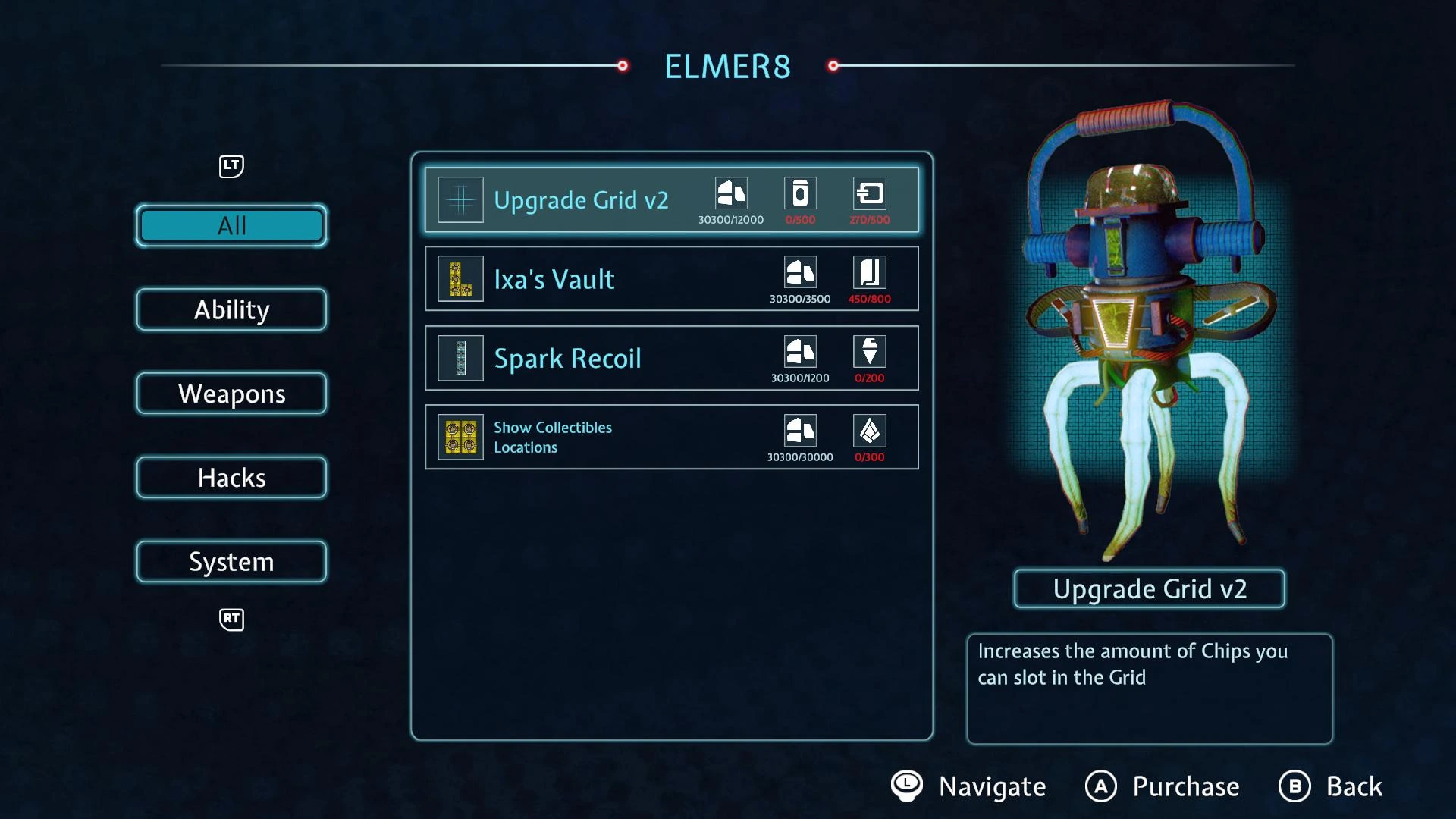
Like the already tanky simple foes, bosses are extraordinarily durable. Oh, sure. There are a couple of ways to improve your cute android. One of them is a neat grid-based setup where chips shaped like Tetris pieces are slotted together to grant passive bonuses, a part that encourages experimentation without becoming overwhelmingly complex. No matter how strong ReSetna gets, though, it never feels enough. Boss health goes down depressingly slow, which, combined with inconsistent hitboxes and extremely punishing damage output, makes these encounters exhausting rather than exhilarating.
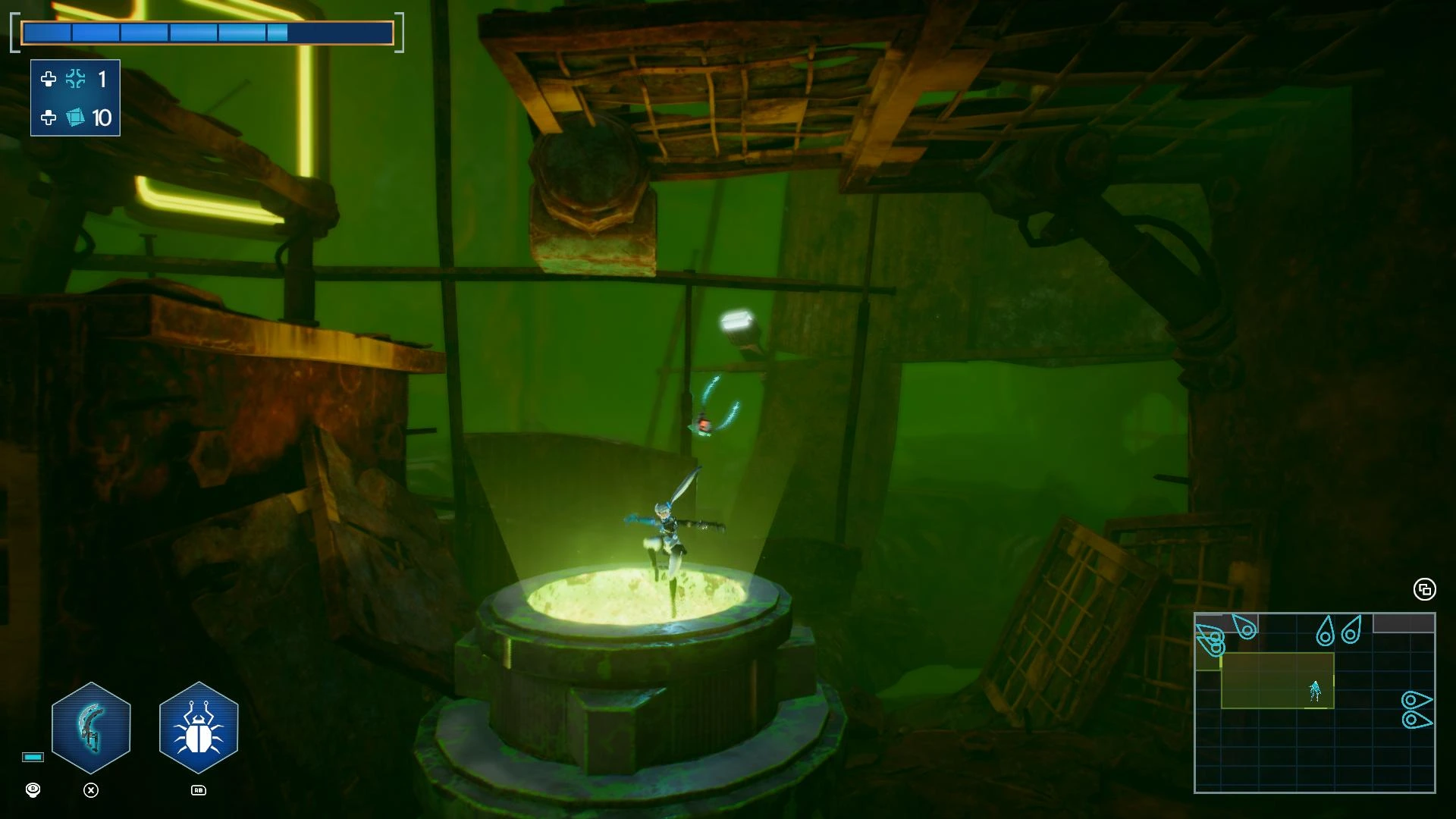
This reviewer waited quite some time to give ReSetna a fair shot, as its initial release was rife with technical issues. To be fair, Today’s Games has not ignored these issues. Post-launch patches have addressed stability problems, rebalanced encounters, and attempted to fix progression blockers. That ongoing support matters, and it’s more than many troubled releases ever receive. Unfortunately, even with those updates applied, ReSetna still feels suspended between what it wants to be and what it actually manages to deliver.
That’s what lingers most after the credits roll, too. Not anger, not even outright disappointment, but a quieter kind of frustration – the sense of something rich in ideas and atmosphere that never quite stabilised into the experience it was clearly aiming for. Whether a matter of lack of experience, or the usual issues indie developers have to deal with, like money, time and…well, everything in between, ReSetna just isn’t that good of a product. It never becomes terrible, and if one can stomach its many problems, they’ll get a couple of evenings of simple metroidvania fun. Even they, however, will have to deal with numerous moments where they’ll begin to question whether a mistake was their fault or the game’s, and thus frustration will soon follow.