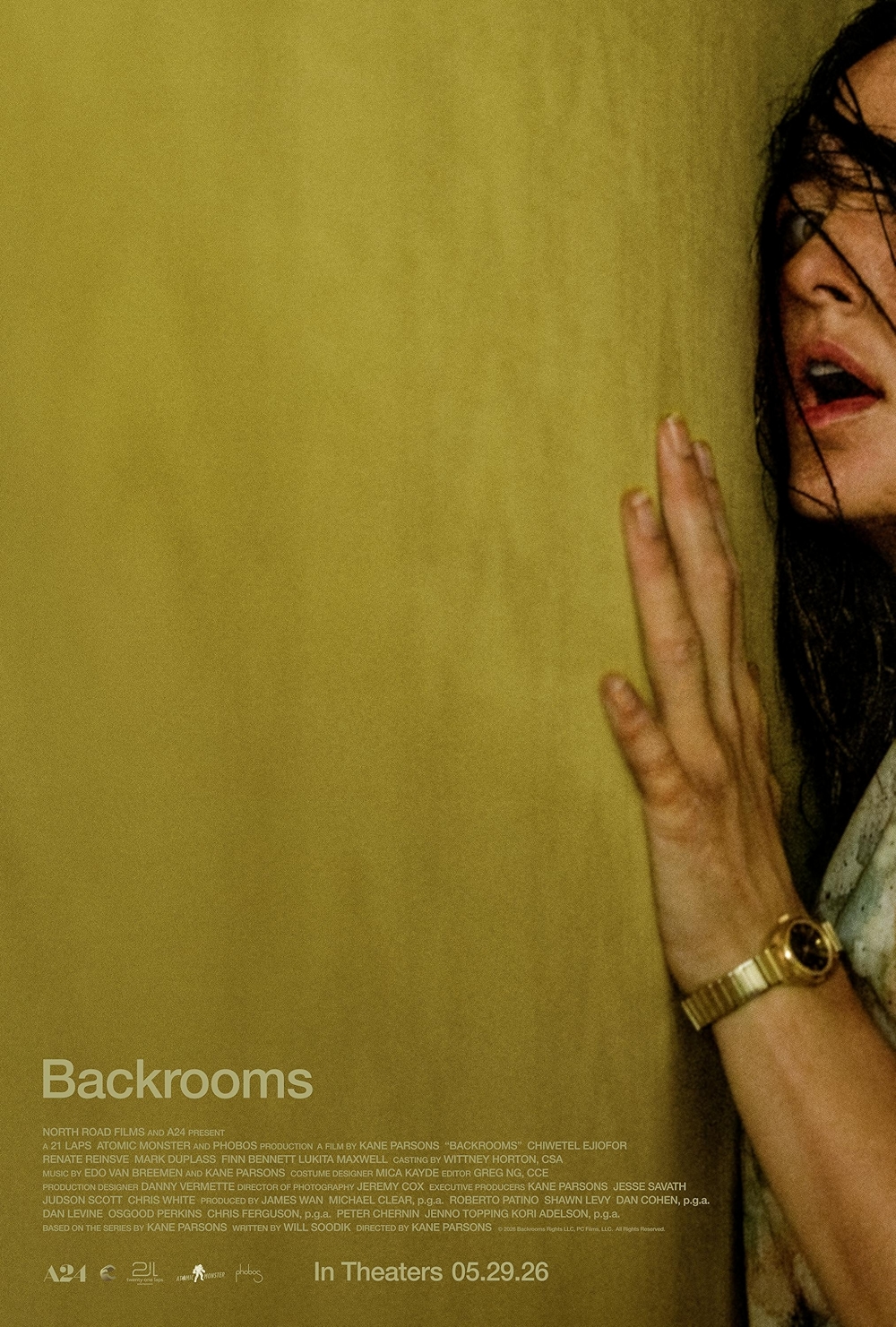
The sensational new film “Backrooms” (2026), directed by Kane Parsons and backed by A24 studios, has already hit theaters worldwide. This is a movie that will not leave fans of surrealism and psychological thrillers indifferent. As ITC.ua writes: It is “not a typical studio horror film, but a highly auteur, and at times daring, attempt to translate the sensation of internet dread into a feature-length film format.”
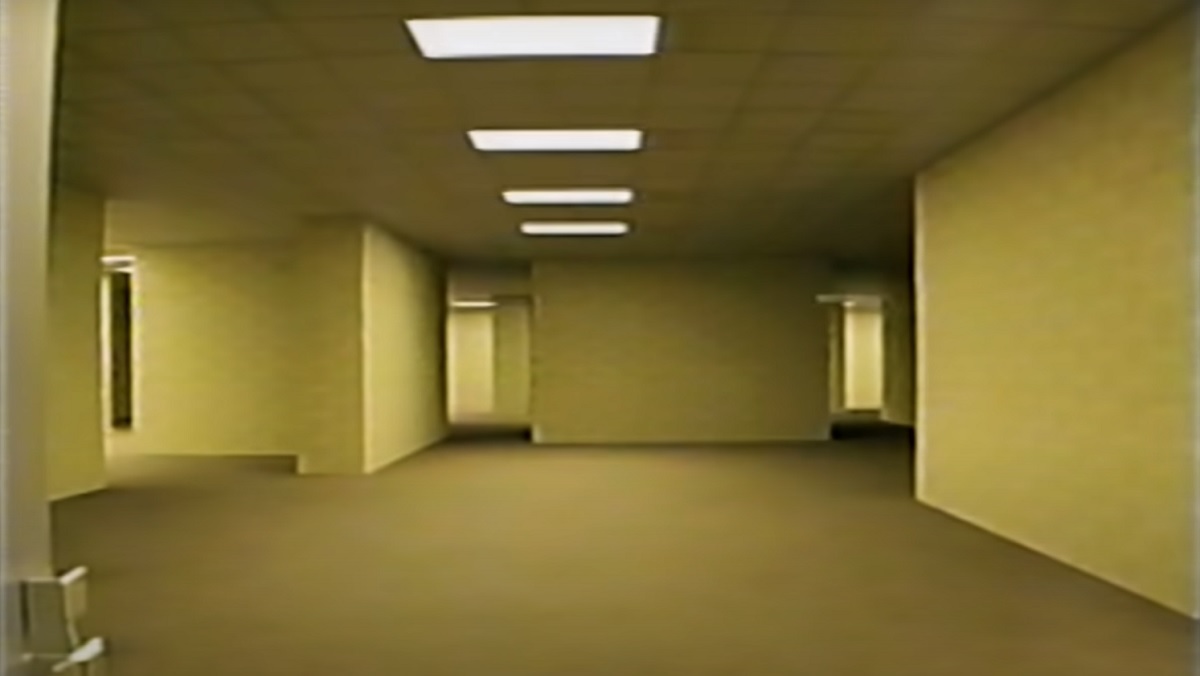
On the internet, this phenomenon of “liminal space” has spawned an entire aesthetic genre and became the foundation for creepypastas and video games—the most famous example being The Backrooms, where characters clip into an endless maze of empty, yellow office rooms.
How Was the Film “Backrooms” Born?
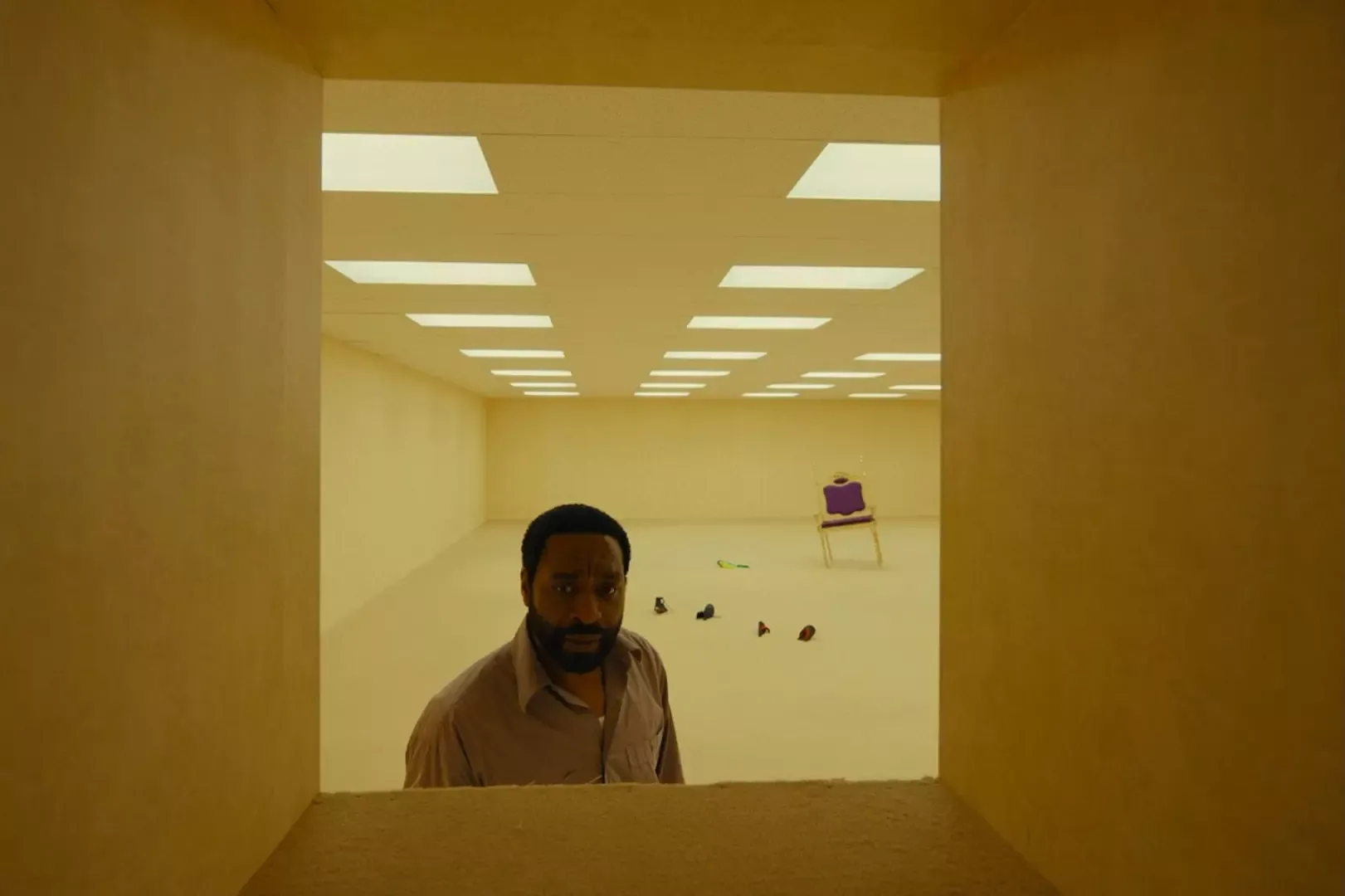
It all started when a 4chan user posted a photo of an empty office space with yellow wallpaper and carpets, adding a caption about a “random glitch out of reality.” Later, animator Kane Parsons turned this eerie concept into a series of viral videos on YouTube.
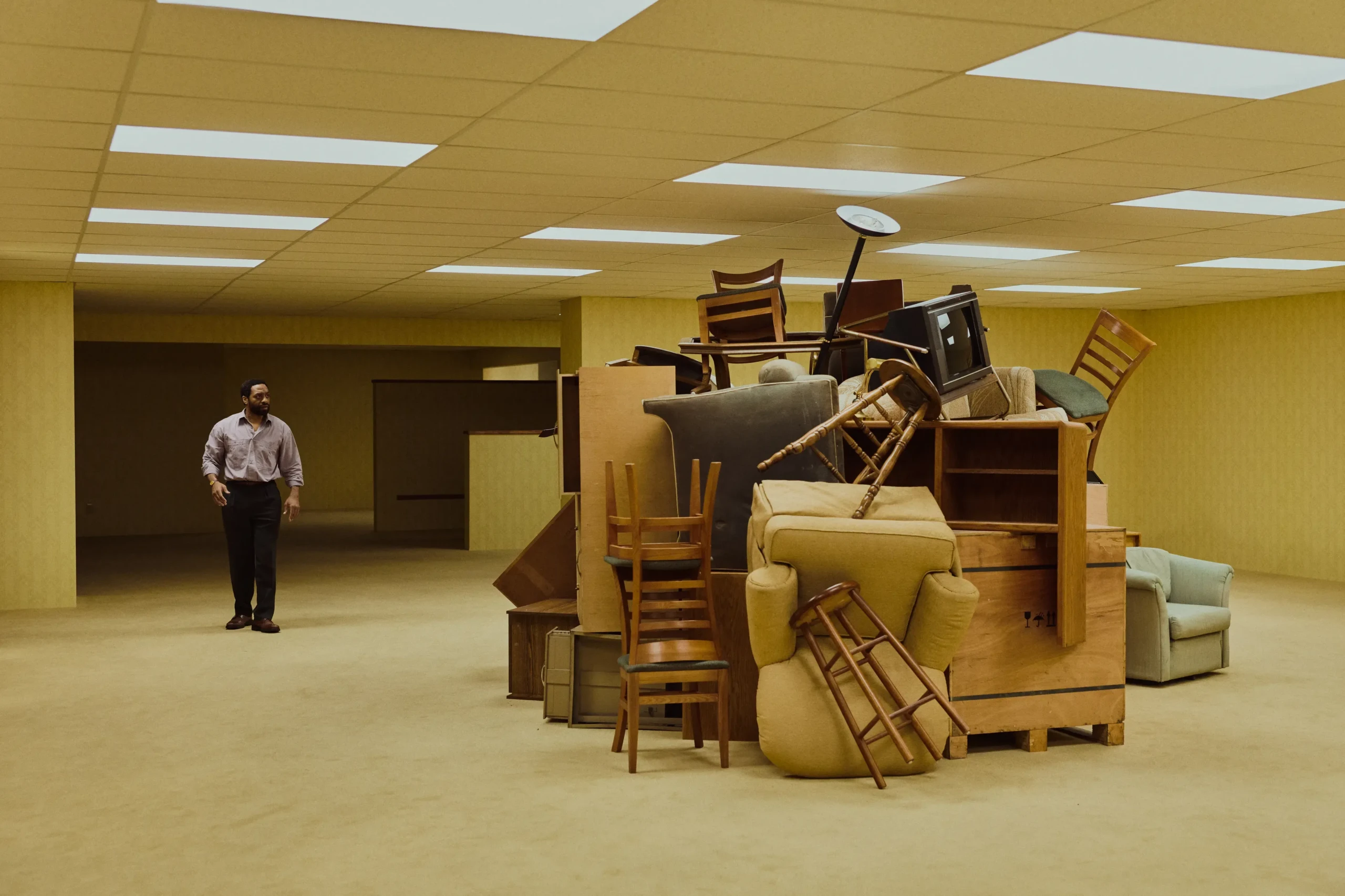
The film “Backrooms” builds upon this lore. Instead of directly adapting a specific internet plotline, the directors expand the mythology and explore the psychological profiles of the people who went missing. To emphasize the feeling of a physical environment intersecting with computer animation and eerie creatures, many locations (spanning up to 30,000 square meters) were built in real life for the movie.
Ultimately, this film feels more like a piece of conceptual art than a piece of mainstream entertainment for the general public. It is a psychological thriller that weighs heavily on the audience through its events and expertly crafted concept, evoking a profound sense of helplessness and dread.
The core idea of the movie lies in exploiting the fear of empty, endless spaces that look familiar (offices, corridors, childcare centers) but are devoid of people and logical purpose. This creates a powerful sense of disorientation and subconscious anxiety.
What Are Liminal Spaces?
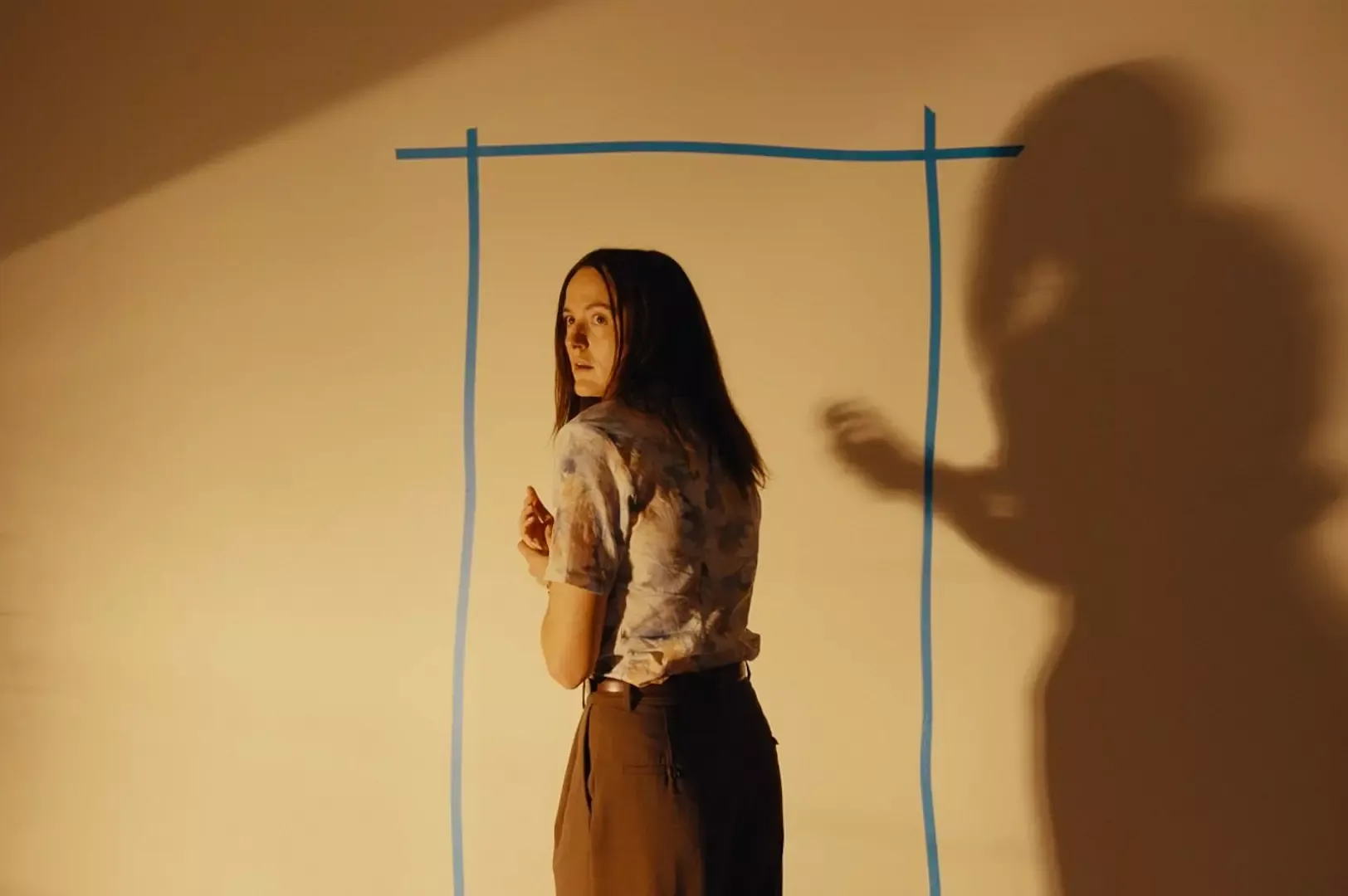
Liminal spaces represent a concept in architecture, psychology, and internet culture that describes spaces or states that are transitional, intermediate, or empty. Simply put, these are “in-between” places created solely to get from point A to point B. They possess no ultimate value on their own; they merely connect something else.
Normally, liminal spaces are always filled with people and movement. Our brains experience cognitive dissonance when we see them completely empty, abandoned, or ripped out of context. This triggers due to the absence of people where they are supposed to be, artificial or monotonous lighting (such as flickering fluorescent bulbs), and repetitive architectural elements (identical doors, long corridors, monochrome carpets).
Beyond physical environments, liminality can also be internal. In the plot of “Backrooms”, it is not just a physical location, but a surreal space reflecting trauma and fears. The deeper the characters venture into the maze, the more powerfully it preys on their minds.
The film is deeply thought-provoking. The theme of liminality is highly relevant today in 2026 for people from all walks of life.
Plot Realities and Existential Fears
In the film’s storyline, we see the characters find themselves in a strange, seemingly infinite space composed of identical rooms, yellow walls, humming lights, and a sense of total isolation from the real universe. The objects found here defy logic, basic laws of physics do not apply, and the exit feels entirely unattainable. Consequently, anyone who enters this space finds themselves in a state of “nowhere”—a condition that breeds a fear of the unknown, confusion, and the lingering question: “What comes next…?”
Each character reacts uniquely to this environment. Each either finds their place within it, or finds the strength to keep moving forward and eventually discover a way out. However, one thing is certain: the further they venture into this space, the more questions they encounter.
The concept of the film is highly relevant because the very notion of a “liminal state” can be perceived from various angles. A psychological liminal state represents a period of major life transition. Examples include adolescence (no longer a child, but not yet an adult), a career change, moving to another country, or going through a divorce. The individual has already detached from their old life but has not yet taken root in the new one.
Thus, in the film’s narrative, we witness how each character resides in their own liminal space, both physically and psychologically. It becomes clear that we actually know next to nothing about this state and this space within the human psyche. After all, every person has their own path, and they alone must choose and forge it.
Who Is This Film For?
This film will undoubtedly find fans across various age groups:
-
Teenagers who are still on the path to their dreams, understanding their identity, and discovering their role in life.
-
Middle-aged individuals who already have life experience and might currently be re-evaluating everything they have lived through up to this moment.
-
Older generations who already know what awaits a person on their earthly journey, yet face the unknown of what lies ahead and how to move toward it.
Final Thoughts: A Masterpiece of Conceptual Art
It is astonishing that a twenty-year-old filmmaker raised such a profound theme based on a popular internet creepypasta. Despite his young age, the director has a sophisticated grasp of atmosphere, plunging the audience into discomfort from the very first minutes. The horror is built not on monsters, but on the visceral feeling that something is clearly wrong here. Once the main story kicks in, the focus shifts entirely to the space itself.
The sense of dread escalates from what is left unsaid. The confusion of a space where nothing yields to logic causes a dissonance that makes the film brilliant from a conceptual art perspective. Interestingly, as the plot unfolds, we dive deeper into psychology and existential questions—probing the inner world of a human being where taking responsibility for one’s actions can lead to finding a way out of a room with no exit. Yet, the film also shows individuals who are incapable of making such strides, consciously remaining trapped in the cage of their own actions.
Ultimately, anyone who dares to watch “Backrooms” will surely remember it as a unique, extraordinary experiment. However, if you are a fan of generic horror movies where you don’t need to think, this film is definitely not for you.